Match common signs to the right pest guide, learn what to record before an inspection and find the relevant Melbourne treatment service.
Start with evidence, not a treatment guess
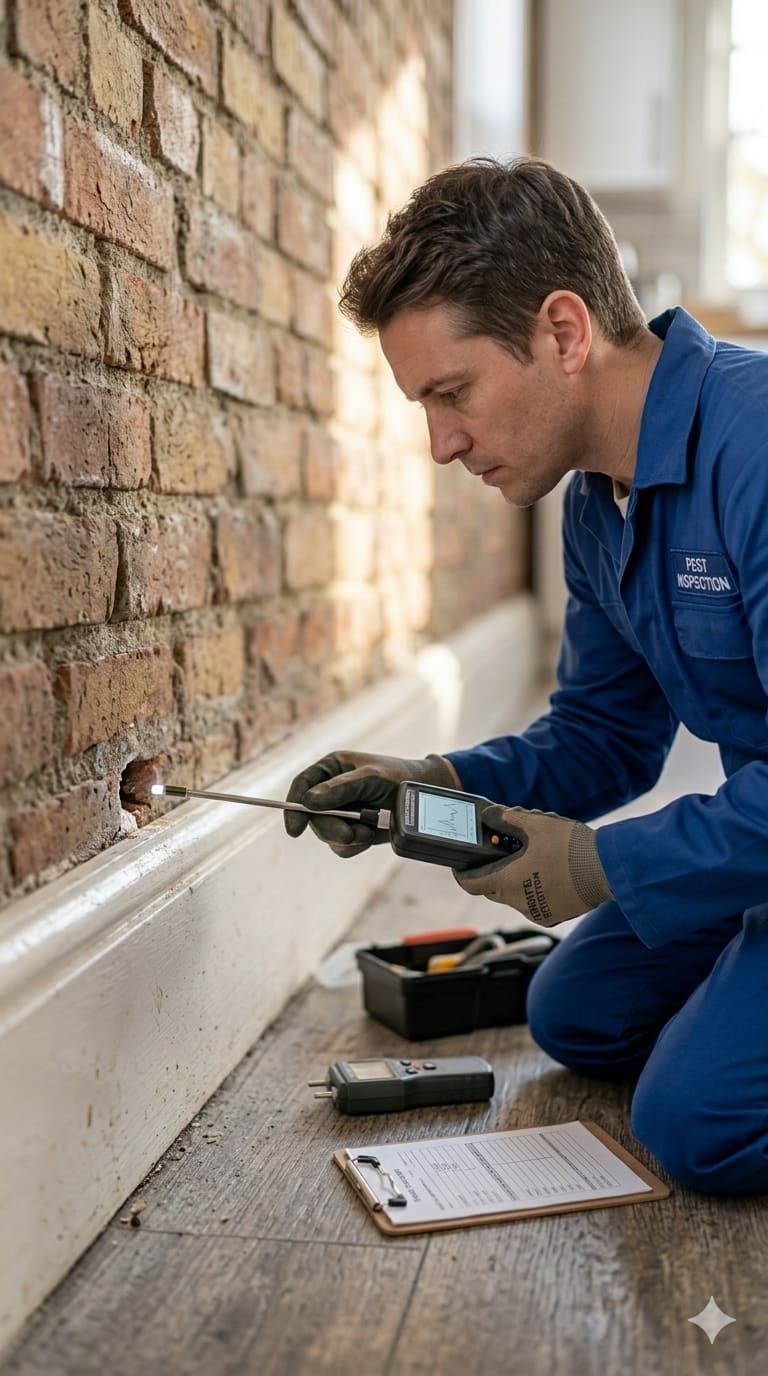
A noise in the roof, insects in the kitchen and bites after sleep can each have several explanations. Before buying a product or booking work, photograph the pest if it is safe to do so. Note where it appeared, the time of day, whether it has happened before and whether anyone else in the building has seen it. Correct identification helps an operator choose a suitable inspection and control method. The Victorian Department of Health's common pest guide explains why species identification matters.
Insects around food, kitchens and cupboards
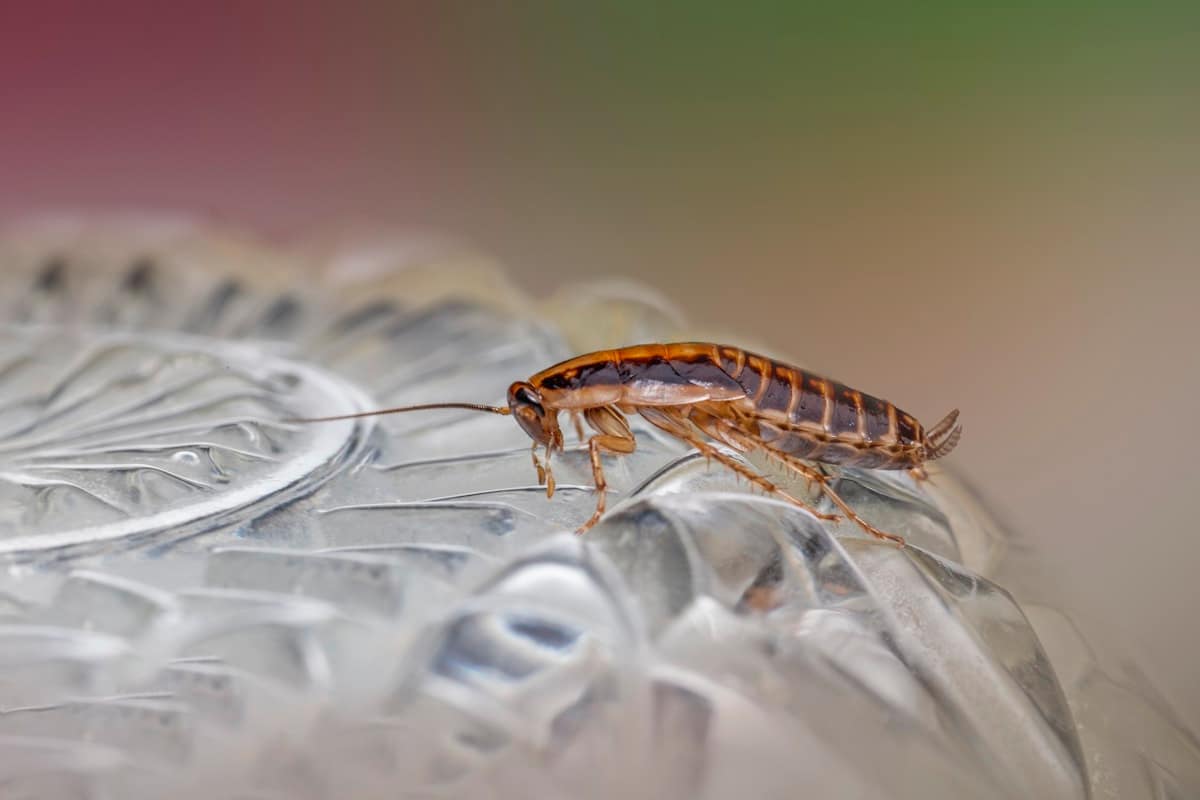
Cockroaches: Look behind warm appliances and inside protected kitchen gaps. Different cockroach species can require different approaches. Read our cockroach identification guide and see cockroach control.
Ants: A visible trail can help locate the entry point, but activity may continue outside the room where you first notice it. Photograph the trail and note any food or moisture nearby. Read about ant activity in Melbourne homes and ant treatment.
Pantry and clothes moths: Note whether insects are near stored food, natural-fibre clothing or a wardrobe. The source changes the response. Use the pantry and clothes moth guide and moth control.
Carpet beetles: Inspect affected textiles and the edges of rooms for larvae or shed skins. Record the material affected rather than assuming every fabric hole is caused by moths. See the carpet beetle guide and carpet beetle service.
Activity in walls, roof spaces and timber
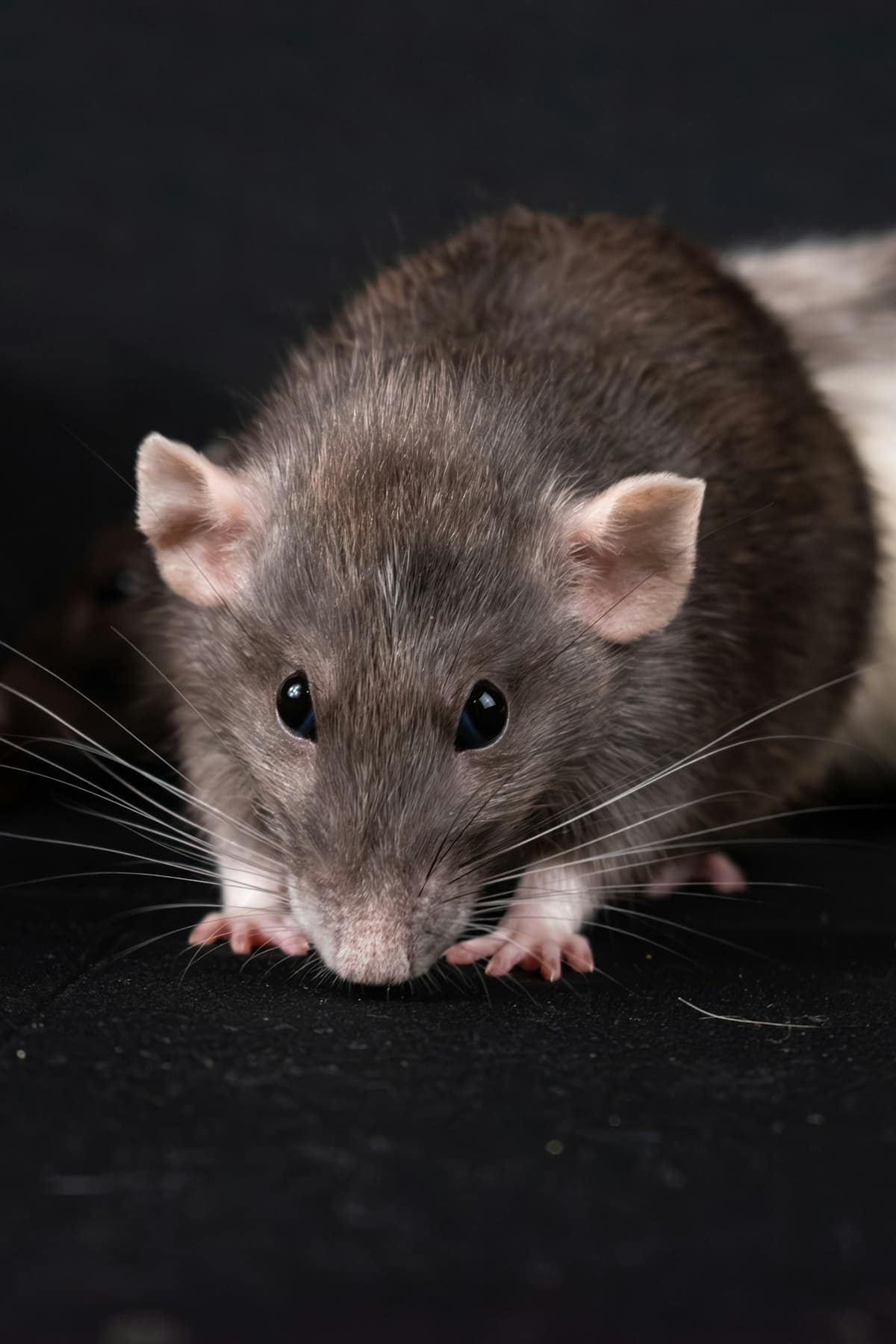
Rats and mice: Scratching sounds alone cannot identify the animal. Droppings, gnawing, tracks and the time of activity can help. Avoid closing an opening while an animal may still be inside. Compare the roof noise guide, rat control and mice control.
Termites: Damaged timber or mud-like shelter tubes should be assessed without breaking open suspected activity. A termite inspection establishes what is present. If confirmed, discuss termite treatment and whether a termite barrier is suitable. Our termite warning signs guide helps you document observations.
Possums: Roof sounds may be wildlife rather than rodents. Do not trap, relocate or seal in an animal based on a guess. Read Victoria's possum guidance, our local possum guide and possum removal service.
Bites, insects and animals around bedrooms or pets
Bed bugs: Bites alone are not enough for identification. Check bedding edges and nearby furniture for insects, cast skins or spots, and retain a clear photograph. The Victorian bed bug guide, our bed bug treatment article and bed bug service explain the next steps.
Fleas: Ask whether pets, bedding or soft furnishings may be involved, and record where activity occurs. Read the flea preparation guide and flea treatment service.
Spiders: Species identification matters. Keep a safe distance from an unfamiliar spider and take a photo without handling it. Compare the Melbourne spider guide and spider treatments.
Outdoor nests, flying insects and wildlife
Wasps and bees: Watch from a distance to find where insects are entering. Do not disturb a nest. Wasps and bees need different responses, so see the wasp service, bee service and identification guide.
Mosquitoes: Check where water collects around the property and note when bites occur. Read mosquito prevention advice and mosquito control.
Birds: Record the location of roosting or nesting without disturbing animals or entering unsafe roof areas. See bird proofing advice and bird management.
Snakes: Keep people and pets well clear. Do not try to catch the snake yourself. Read what to do when you see a snake and snake removal information.
Which service fits the property?
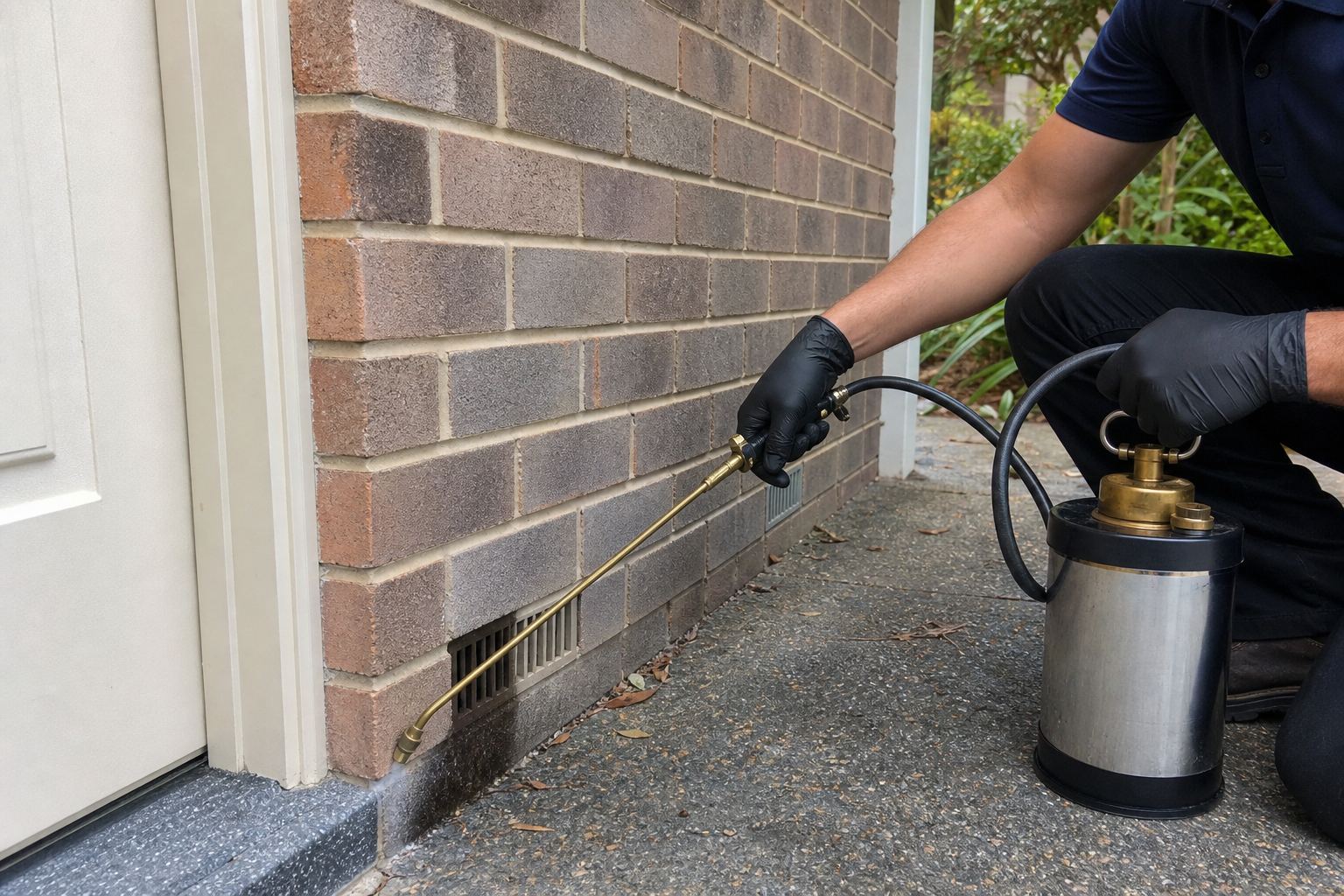
If several common household insects are involved, start with general pest control and ask which pests are in scope. For a tenancy handover, see end-of-lease pest control. For workplaces, food premises or shared sites, see commercial pest management. Specialist termite, rodent, bed bug and wildlife concerns should be identified separately rather than assumed to be part of a general treatment.
What to send with an enquiry
Provide your Melbourne suburb, property type, photographs, the exact location of activity, how long it has been happening and any previous treatment. If the pest is uncertain, say so. You can then request an assessment with a clearer starting point.