Possums are protected in Victoria, so removal must be humane and legal. Learn what you can and cannot do, and how to keep them out of your roof.
Possums Are Protected in Victoria
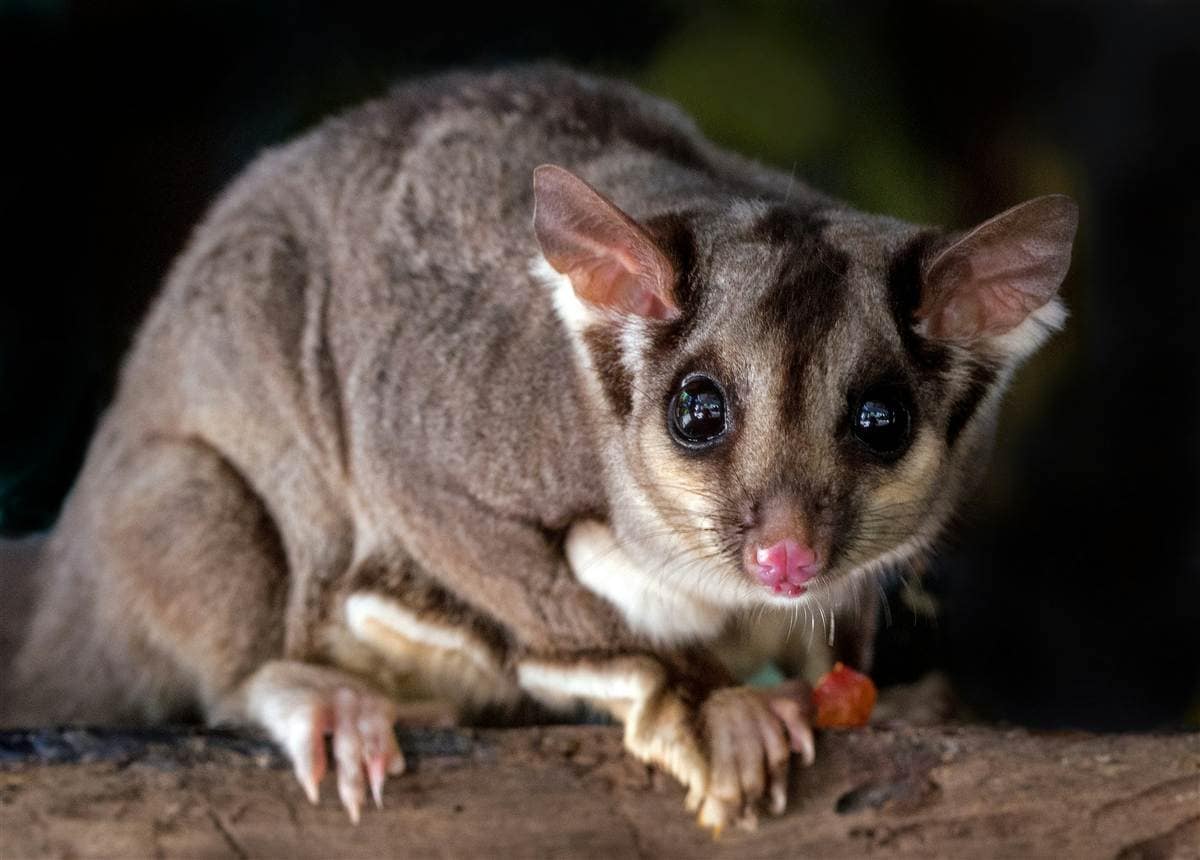
Both the common brushtail and ringtail possum are protected under Victorian law. You cannot harm them or relocate them more than a short distance from where they were caught - they must be released on the same property within 50 metres. That's why humane, compliant handling matters.
Signs of a Possum in the Roof
- Heavy thumping or scratching in the ceiling, usually around dusk and dawn
- Hissing or guttural calls at night
- Droppings in the roof void or a strong ammonia smell
- Damaged insulation, chewed cabling or stained ceilings
The Humane, Legal Approach
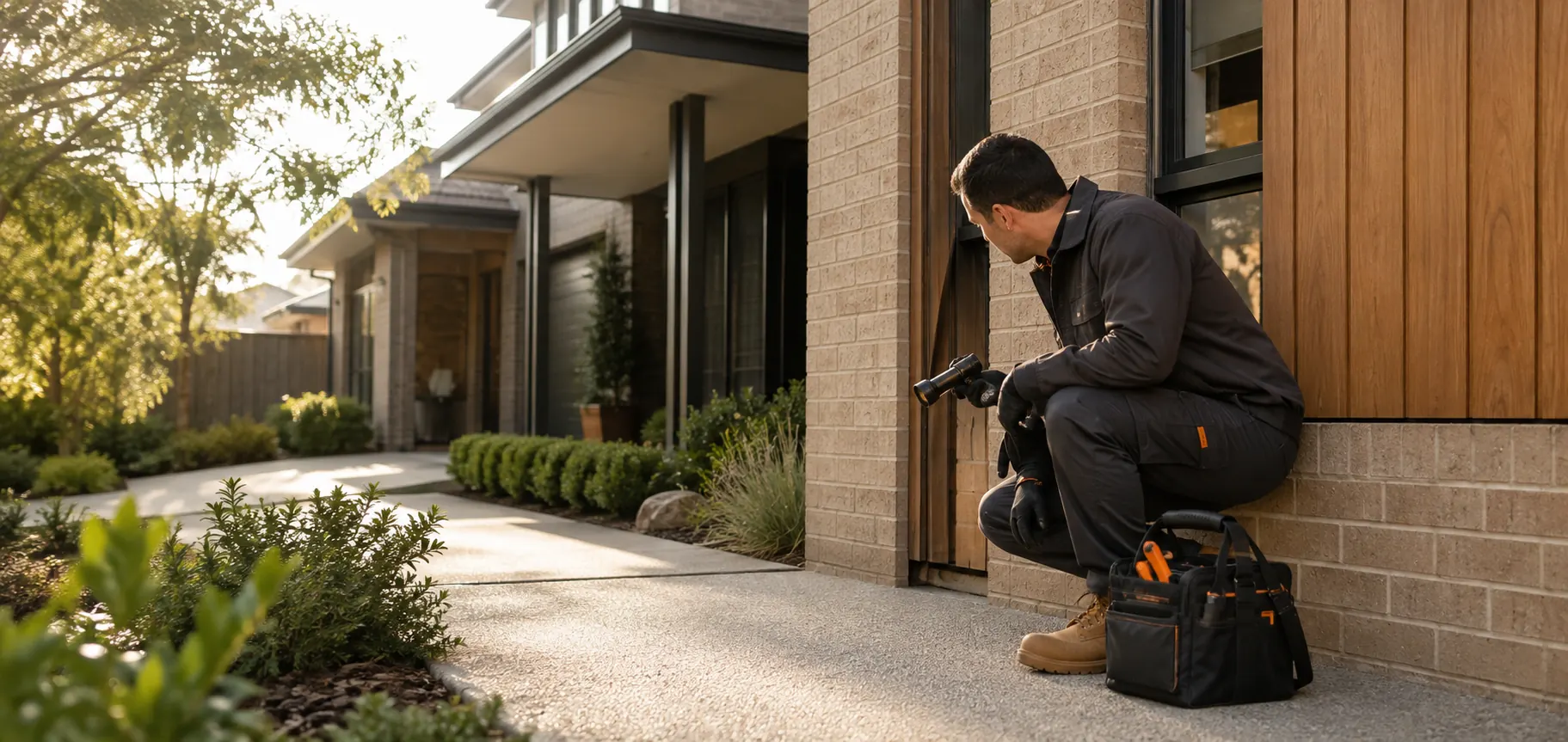
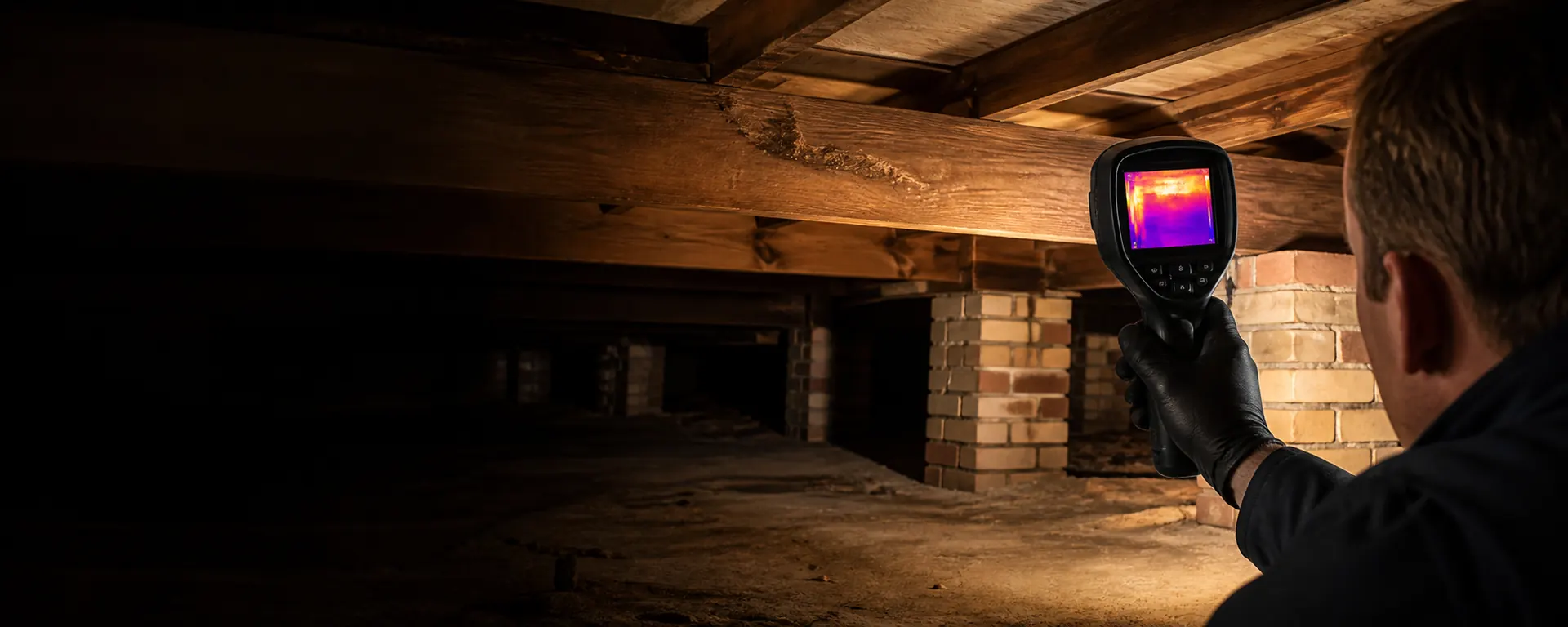
We carry out a roof and exterior inspection to find every entry point, then humanely remove the possum and proof the access points so it can't return. Because the law requires on-site release, providing an alternative shelter (a possum box) encourages it to move out of your roof and stay out of trouble.
Keeping Possums Out
Trim branches that overhang the roof, cap chimneys, and seal broken tiles and eave gaps. Don't block an entry while a possum is still inside - it may become trapped. For humane, fully compliant possum removal and roof-proofing across Melbourne, call Pest Eraze on 0416 528 547.
Cost of Legal, Humane Possum Removal
Professional possum removal starts from around $129 covering humane trapping (where legally required), relocation guidelines under Victorian wildlife regulations, and sealing the roof entry point so the possum - or another one - cannot get back in.
What Victorian Law Actually Requires
Possums are protected wildlife in Victoria, meaning they cannot simply be killed or relocated more than a short distance from where they were captured without breaching wildlife regulations. A licensed operator understands these requirements and can legally exclude a possum from a roof void while ensuring it is not left without shelter nearby, which is both a legal and welfare consideration.
Possum or Rat? How to Tell What's in Your Roof
The two are confused constantly, and the treatments are completely different. Timing: possums are loudest at dusk (leaving) and dawn (returning); rats scurry intermittently all night. Sound: possums thump - they are cat-sized and sound like it; rats produce light scratching and rolling sounds. Droppings: possum droppings are 15mm+, dark and pellet-like; rat droppings are olive-pit size. Get the identification wrong and you will bait uselessly for a protected animal - if unsure, our guide to rats in the roof covers the rodent side.
The One-Way Door Method Explained
The gold standard for legal possum removal is exclusion via a one-way door: a device fitted to the possum's entry point that lets it leave for its nightly forage but not return. Once the roof is confirmed empty, the entry is sealed permanently and a possum box is installed nearby, satisfying the legal requirement that the animal stays within its home range with shelter available. No trapping stress, no relocation breach, no possum dying in your roof void.
What Possums Actually Do Up There
Beyond the noise, an established roof possum compresses and soils insulation (droppings and urine stain ceilings and feed insect pests), chews cabling occasionally, and its presence attracts fleas and mites that can migrate into the house when the possum leaves. The longer it stays, the bigger the cleanup - another reason to act on the first week of thumping rather than the third month.