Fleas survive Melbourne winters indoors and explode in warm weather. Here is how to break the flea life cycle for good.
Why Fleas Are So Hard to Beat
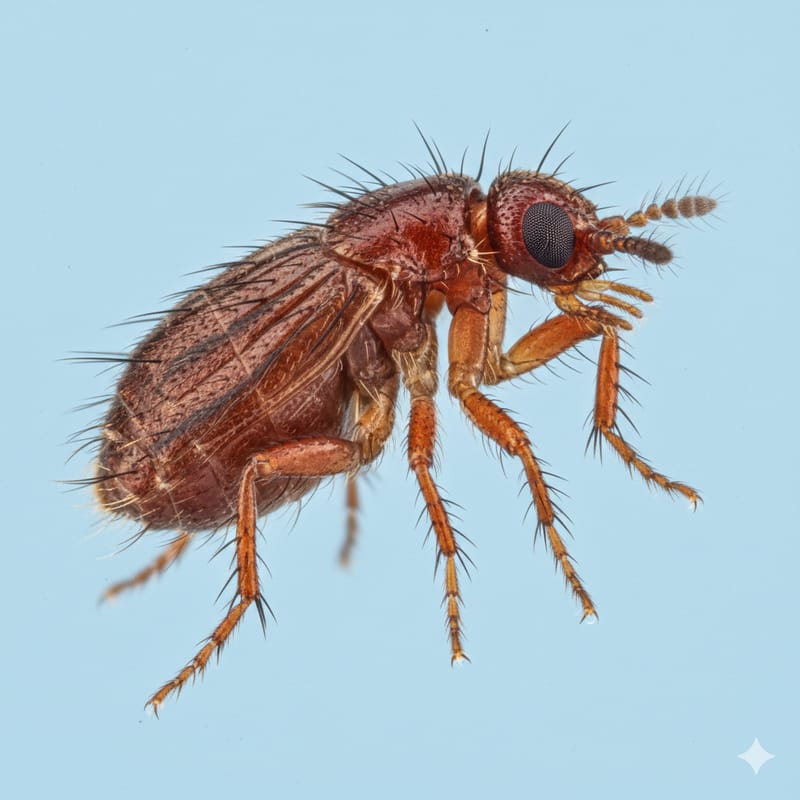
The adult fleas you see are only about 5% of the problem. The rest - eggs, larvae and pupae - sit deep in carpet, bedding, floorboard gaps and outdoor soil. Pupae can lie dormant for weeks and hatch when they sense a host, which is why infestations seem to "come back" after you think they're gone.
Common Triggers in Melbourne
- Pets bringing fleas in from yards, parks or other animals
- Possums or stray cats nesting under the house or in the roof
- Moving into a property where a previous pet left dormant eggs
- Warm, humid spells that accelerate the life cycle
Breaking the Cycle
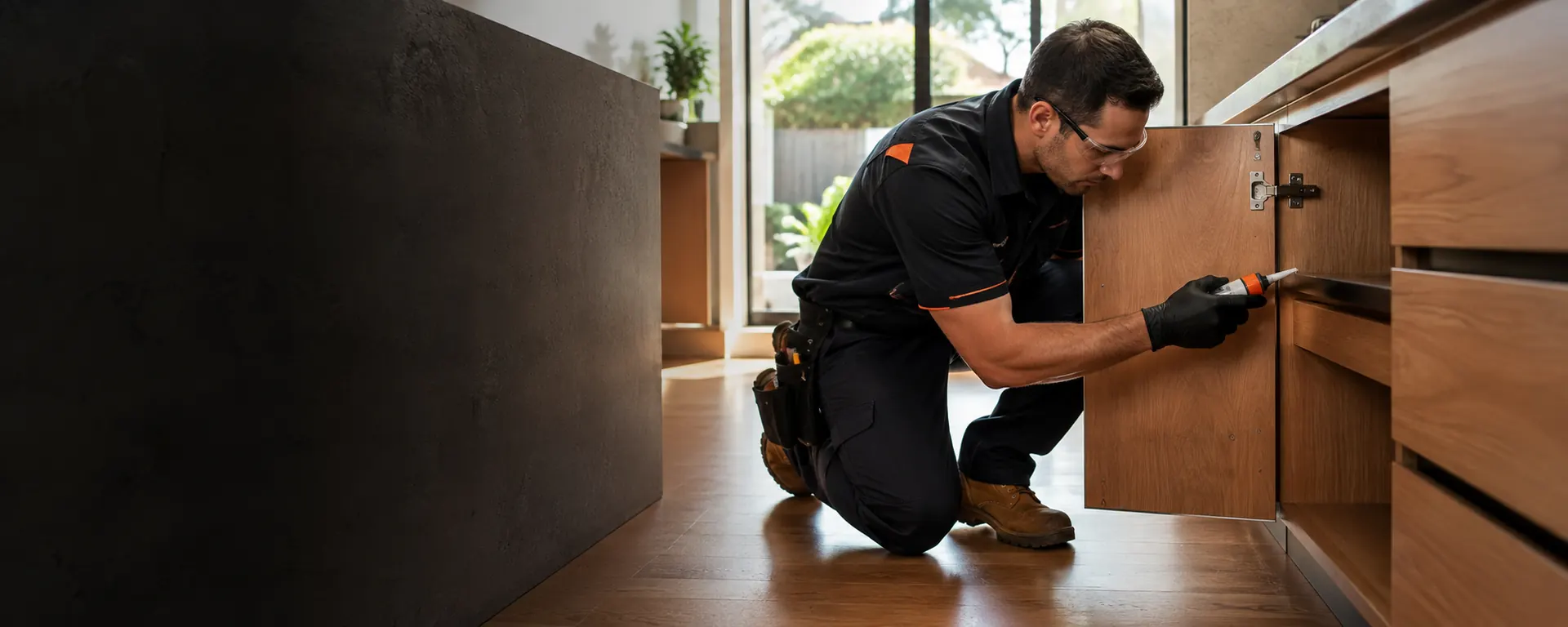
Effective flea treatment hits every life stage at once. We apply a treatment to carpets, floors, skirting and outdoor harbourage, including an insect growth regulator that stops eggs and larvae developing. Vacuuming before and after treatment helps trigger dormant pupae to emerge into the treatment.
Don't Forget the Pet
Treating the home without treating your pet (via your vet) lets the cycle restart. Wash pet bedding hot, vacuum daily for a week or two, and keep up the vet-recommended flea control. For thorough flea treatment - including end-of-lease flea fumigation to protect your bond - call Pest Eraze on 0416 528 547.
Cost of Flea Treatment in Melbourne
Professional flea treatment for the home starts from around $129 treating carpets, pet bedding, and skirting board areas where flea eggs and larvae accumulate - a step that vet flea treatments for the animal alone cannot address.
Why Treating Just the Pet Is Not Enough
Only a small percentage of a flea infestation is actually living on your pet at any given time - the majority exists as eggs, larvae, and pupae in carpets, rugs, and pet bedding around the home. This is why a combined approach (vet treatment for the animal plus a home treatment) breaks the full flea life cycle, while treating the pet alone often sees fleas reappear within weeks.
Flea Bites: How to Recognise Them
Flea bites are small, red, intensely itchy bumps, usually in clusters or lines around the ankles and lower legs - fleas live at floor level and jump. That location pattern is the giveaway separating them from bed bug bites (upper body, sleeping hours) and mosquito bites (exposed skin, evenings). Some people react strongly, others barely at all, which is why one household member can be "eaten alive" while everyone else feels nothing.
Why Fleas Appear in Homes Without Pets
No pet does not mean no fleas. The most common causes we see in Melbourne: a previous tenant's pet left dormant pupae in the carpet that hatch when a new household moves in (vibration and warmth trigger emergence), possums or stray cats nesting under the house or in the roof, and fleas hitching in on clothing after visiting an infested property. The treatment is the same - break the life cycle in the home - plus removing the animal source if there is one.
Preparing for a Flea Treatment
- Vacuum all carpets, rugs, and floorboard gaps thoroughly - then empty the vacuum outside (vibration also triggers pupae to hatch into the treatment, which is what you want)
- Wash pet bedding on a hot cycle or replace it
- Clear floors of toys and clothing so every square metre can be treated
- Treat your pet with a vet-recommended product the same week
- Stay off treated carpets until dry (usually 2-3 hours)
Expect stragglers for up to two weeks as remaining pupae hatch into the residual - that tail-off is normal, not treatment failure.