Found cockroaches, rats or fleas in your Victorian rental? How to request treatment in writing, what the landlord must manage, and protecting your bond.
Need help with this pest problem? Request a free onsite quote from Pest Eraze or call 0416 528 547. Tell us your suburb and the signs you have noticed.
Finding cockroaches in the kitchen or hearing rats in the roof of a rental is stressful, especially when you are not sure whose job it is to fix it. This guide walks renters (and rental providers) through the practical steps: how to report a pest problem, what to record, and how to avoid a bond dispute when you move out.
For the question of who pays in different situations, see our companion guide: Pest control for renters and landlords: who is responsible in Victoria?
What Victorian renting guidelines say about pests
Consumer Affairs Victoria's renting guidelines list managing pest infestations among a rental provider's general duties, and give a persistent cockroach infestation as an example of a repair issue that can make a home unsafe to live in. The rental minimum standards that apply to most leases since 29 March 2021 also require the bins supplied with the property to be vermin-proof.
In practice, responsibility usually comes down to cause:
- Pests linked to the building itself, such as rats getting in through gaps or cockroaches coming from shared drains or neighbouring units, are generally the rental provider's to manage.
- Pests caused by how the home is used, such as fleas from a renter's own pet, are generally the renter's.
Every situation is different, so check your lease and current guidance at consumer.vic.gov.au.
Step-by-step: reporting a pest problem
1. Record what you are seeing
Before you contact anyone, collect evidence. It speeds everything up and protects both sides.
- Photos or short videos of live pests, droppings, nests, gnaw marks or damage
- Dates and times of sightings, and which rooms are affected
- Whether the problem was there when you moved in (check your condition report)
- Anything you have already tried, such as baits or sprays
2. Notify your rental provider or agent in writing
Send an email or use your agent's maintenance portal, so you have a dated record. Describe the pest, where it is, how long it has been happening, and attach your photos. Ask how and when the problem will be dealt with.
3. Keep access and safety in mind
Agree on a time for the pest controller to attend. Ask for the technician's preparation and re-entry instructions in advance, especially if you have children, pets or fish tanks.
4. If nothing happens
If a repair request is not dealt with within a reasonable time, renters can seek help from Consumer Affairs Victoria, Tenants Victoria or Rental Dispute Resolution Victoria. Keep copies of all your messages.
Common rental pest situations
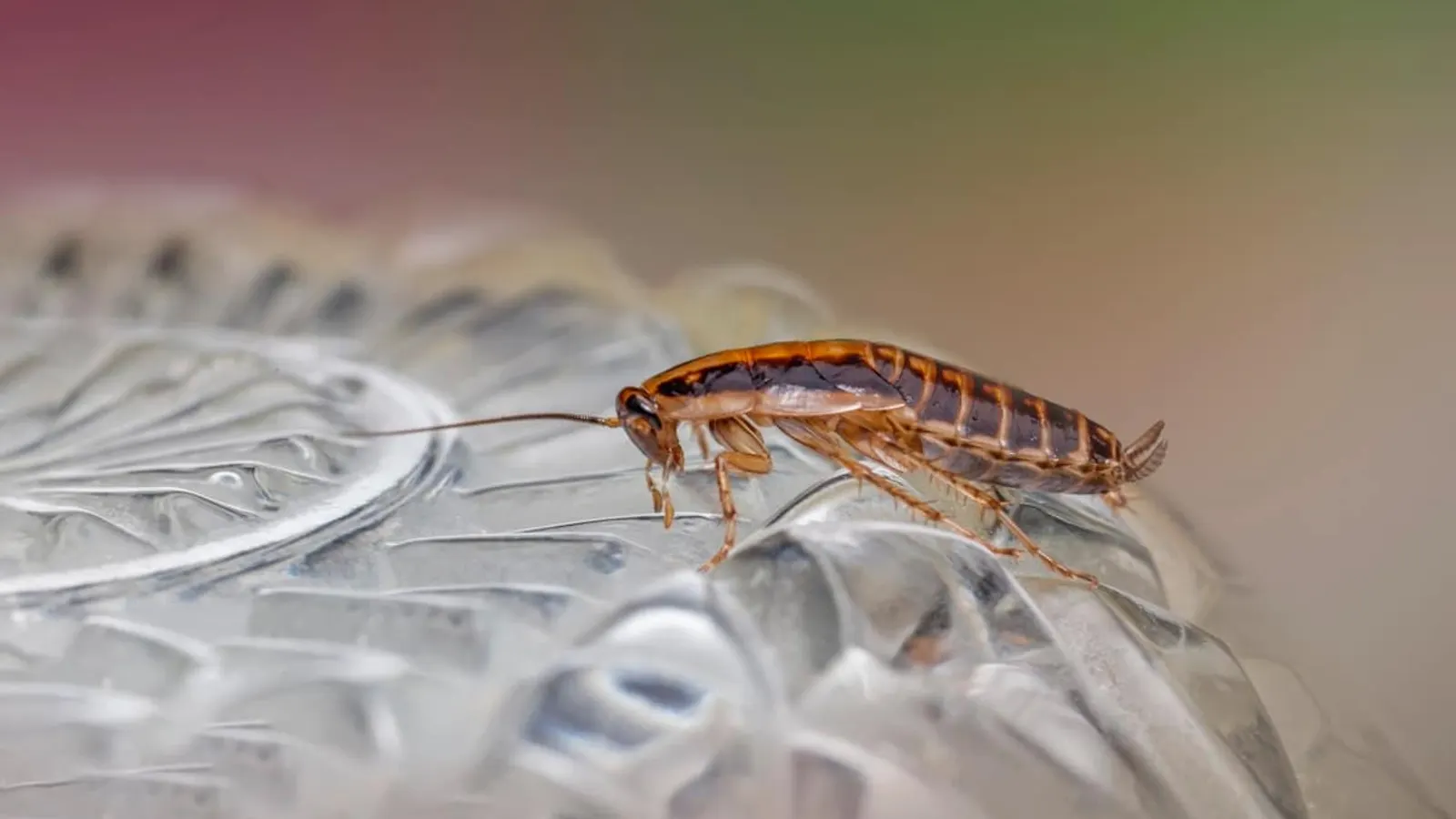
- Cockroaches spreading between apartments: usually starts with the rental provider or owners corporation, as a building-wide issue. See cockroach treatment.
- Rats or mice in the roof or walls: usually the rental provider, as entry points are part of the building. See rat and rodent control.
- Fleas after keeping a pet: usually the renter. See flea treatment.
- Wasp nest in the yard or eaves: report it to the rental provider first. See wasp removal.
- Possums in the roof: usually the rental provider, as roof entry points are part of the building. See possum removal.
This list is a general guide only. The cause, your lease terms and the condition report all matter.
Moving out: protecting your bond
Professional cleaning and pest treatment
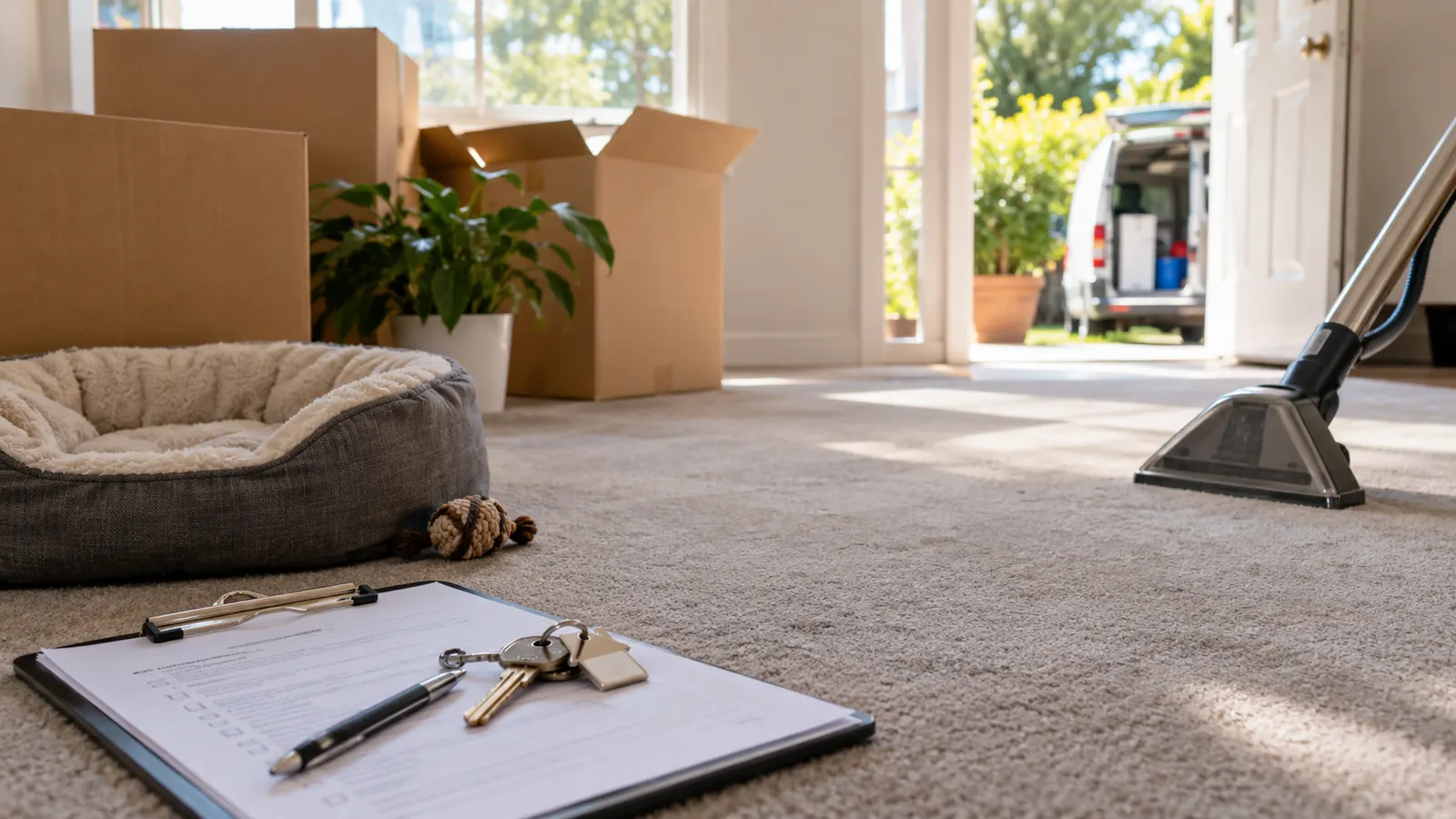
For leases that started on or after 29 March 2021, Victorian guidelines say renters can only be asked to pay for professional cleaning when the lease contains a professional cleaning term. Even then, it only applies if the property was professionally cleaned before you moved in, or if professional cleaning is needed to return it to its starting condition, allowing for fair wear and tear.
The guidelines do not set a general rule that every renter must pay for pest treatment at the end of a lease. Where a pet has caused a flea problem, though, treating it before you leave is the simplest way to avoid a dispute. If you had a pet, check:
- your lease, for any agreed term about cleaning or pest treatment
- any written conditions you agreed when your pet request was approved
- your entry condition report
Get a receipt
If you do arrange a treatment, keep the invoice or treatment certificate showing the date, the address and what was treated. Our end-of-lease flea treatment receipt checklist lists what it should include.
For rental providers and agents
Acting quickly on a pest report protects the property and the tenancy. A clear, itemised treatment record, with the date, pests targeted, areas treated and any follow-up, also helps if a dispute ever goes to resolution.
Pest Eraze works with renters, rental providers and property managers across Melbourne, including end-of-lease pest control with a written receipt. Call 0416 528 547 or request a free onsite quote.
This article is general information, not legal advice. Check your lease and the latest guidance from Consumer Affairs Victoria for your situation.