Moths in your pantry or holes in your favourite jumper? Here is how to tell pantry moths from clothes moths and get rid of both in your Melbourne home.
Two Very Different Moths
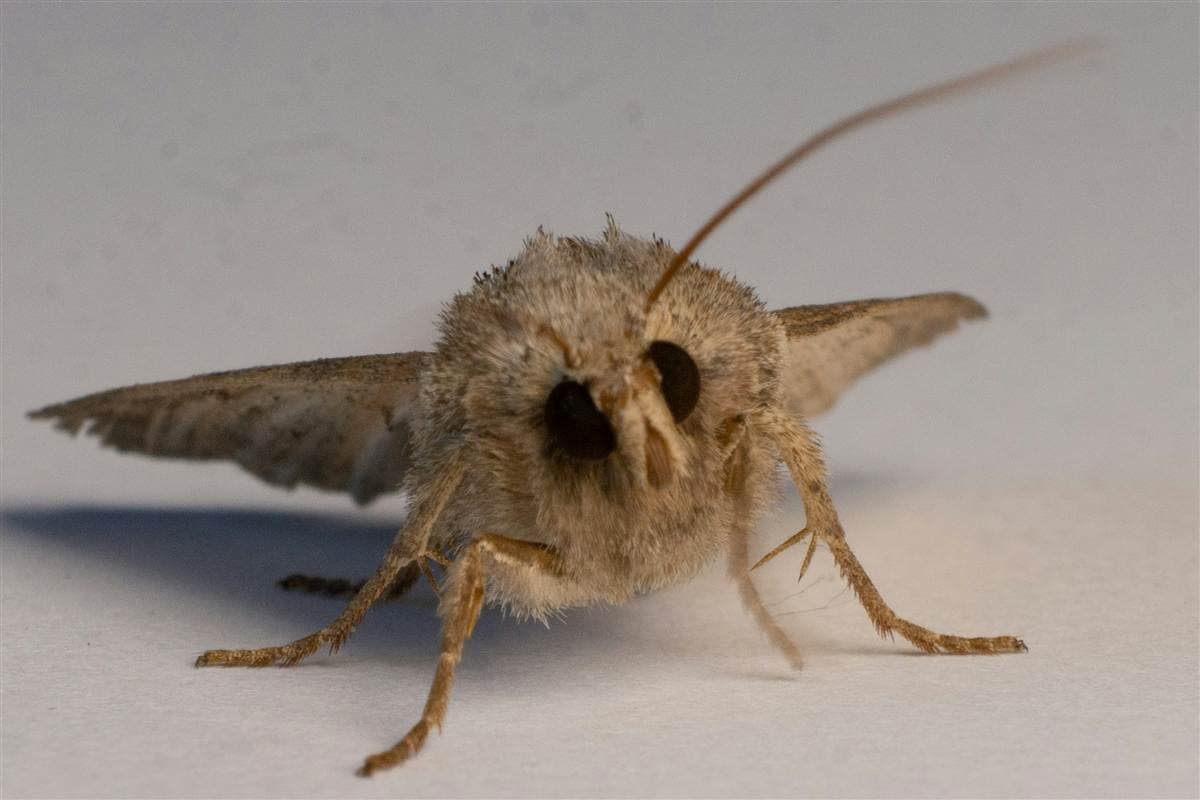
"Moth problem" in a Melbourne home usually means one of two pests, and they need different treatment. Pantry moths (Indian meal moths) infest stored food, while clothes moths (case-bearing and webbing moths) damage natural-fibre clothing and textiles.
Pantry Moths
You will see small moths flying around the kitchen, and silky webbing or clumping in flour, rice, cereal, pet food, dried fruit, and nuts. The larvae often chew through packaging and can even infest unopened products.
- Treat it: empty and inspect the entire pantry; discard infested and questionable items; vacuum shelves and cracks; store food in airtight glass or hard plastic containers.
Clothes Moths
These prefer dark, undisturbed wardrobes and drawers. The larvae feed on wool, cashmere, silk, fur, and felt, leaving irregular holes - often in items you rarely wear.
- Treat it: clean and inspect wardrobes; wash or dry-clean affected items; store woollens in sealed bags; treat harbourage areas.
When to Call a Professional
A bad or recurring infestation hides in cracks, carpet edges, and wall voids that DIY cannot reach. Professional moth control treats every harbourage point with residual products and breaks the breeding cycle, so it does not keep coming back.
Pest Eraze provides clothes and pantry moth treatment across Melbourne. Call 0416 528 547 for fast, lasting results.
Cost of Moth Treatment in Melbourne
Professional pantry and clothes moth treatment starts from around $129 and is tailored to which type of moth is present, since pantry moths need kitchen and cupboard treatment while clothes moths require wardrobe, carpet-edge, and storage area treatment.
Telling Pantry Moths and Clothes Moths Apart
Pantry moths are usually seen fluttering near the kitchen at dusk and leave webbing in dry goods like flour and rice, while clothes moths prefer dark, undisturbed wardrobes and drawers, feeding on wool, fur, and other natural fibres rather than food. Because the treatment approach differs for each, correctly identifying which moth you have - or having a technician confirm it - avoids wasted effort treating the wrong area.