Termites cause more damage to Melbourne homes than fire and storms combined - and they work silently. Here are the warning signs every homeowner should know.
Why Termites Are a Melbourne Homeowner's Worst Nightmare
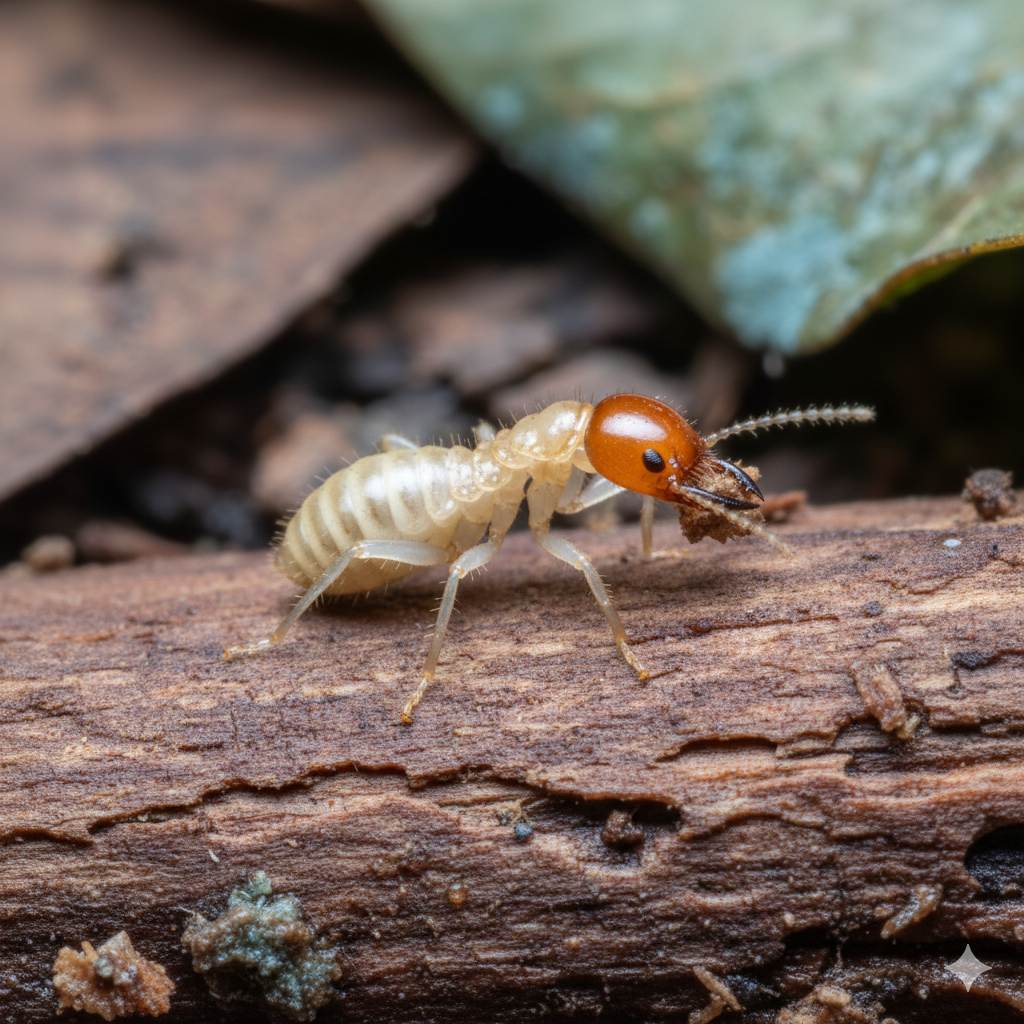
Termites - often called white ants - destroy timber from the inside out, often for years before anyone notices. By the time damage is visible, repairs can run into the tens of thousands. Melbourne's mix of older timber homes, decks, and fences makes early detection critical. Here is what to look for.
The Warning Signs
- Mud tubes - pencil-thin mud tunnels on walls, foundations, piers, or in the subfloor. This is the clearest sign of active termites.
- Hollow-sounding timber - tap skirting boards, door frames, or floors. A papery, hollow sound means termites have eaten the inside.
- Sagging or springy floors and doors or windows that suddenly stick.
- Discarded wings near windowsills and light fittings, especially in spring when termites swarm.
- Bubbling, cracked, or rippled paint on timber surfaces - often mistaken for water damage.
- Tight-fitting doors caused by moisture from termite activity.
What to Do If You Suspect Termites
Do not disturb or spray them. Breaking open mud tubes or hitting them with surface spray causes the colony to retreat and spread, making professional treatment harder. Instead, leave the area alone and book a professional inspection immediately.
The Importance of Annual Inspections
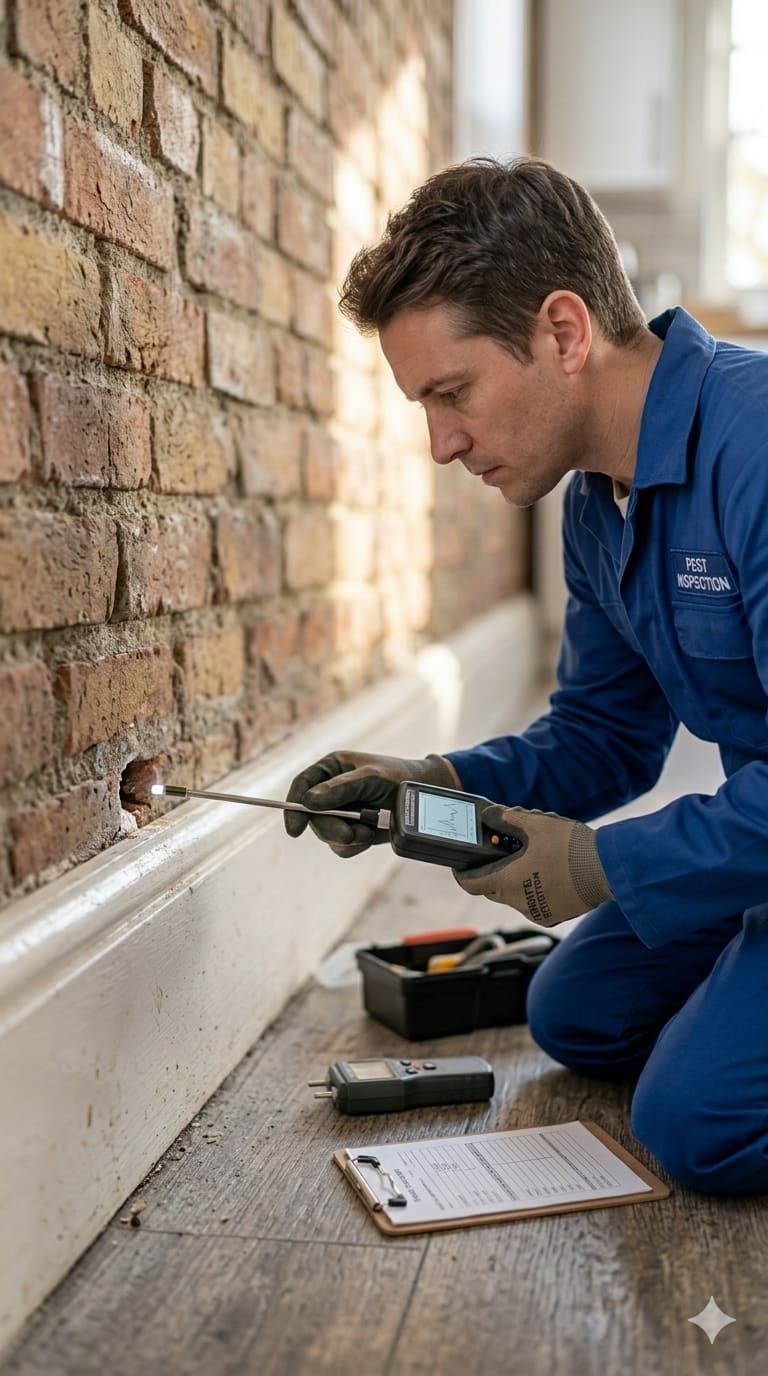
Most termite damage is preventable with early detection. We recommend every Melbourne home has a professional termite inspection at least once a year - using thermal imaging and moisture meters to find activity behind walls. It is also a requirement to keep most termite warranties valid.
Worried about termites? Book a thorough inspection with Pest Eraze. Call 0416 528 547.
Cost of Acting Early vs Ignoring the Signs
A professional termite inspection starts from around $129 while termite damage repairs that go undetected for years can run into the tens of thousands of dollars - making early inspection one of the highest-value pest services a Melbourne homeowner can book. If an inspection confirms active termites, a termite treatment starting from around $129 eliminates the colony and protects the structure going forward.
Which Melbourne Homes Are Most at Risk?
Older timber-framed homes, properties with garden beds or mulch banked against the slab, and homes near reserves, creeks, or mature trees carry a higher termite risk in Melbourne. These risk factors do not mean termites are guaranteed, but they are exactly why an annual inspection is recommended even without any visible warning signs yet.
Where Termites Strike First in Melbourne Homes
Termites follow moisture and timber contact. The most common first-contact points we find: bathroom and laundry walls (leaking pipes soften timber), subfloor bearers and joists in older weatherboard homes, timber decks and pergola posts touching soil, garden sleepers and fence lines acting as highways to the house, and door frames on slab edges. Check these zones seasonally - they are where early detection happens.
Termite Damage vs Water Damage: How to Tell
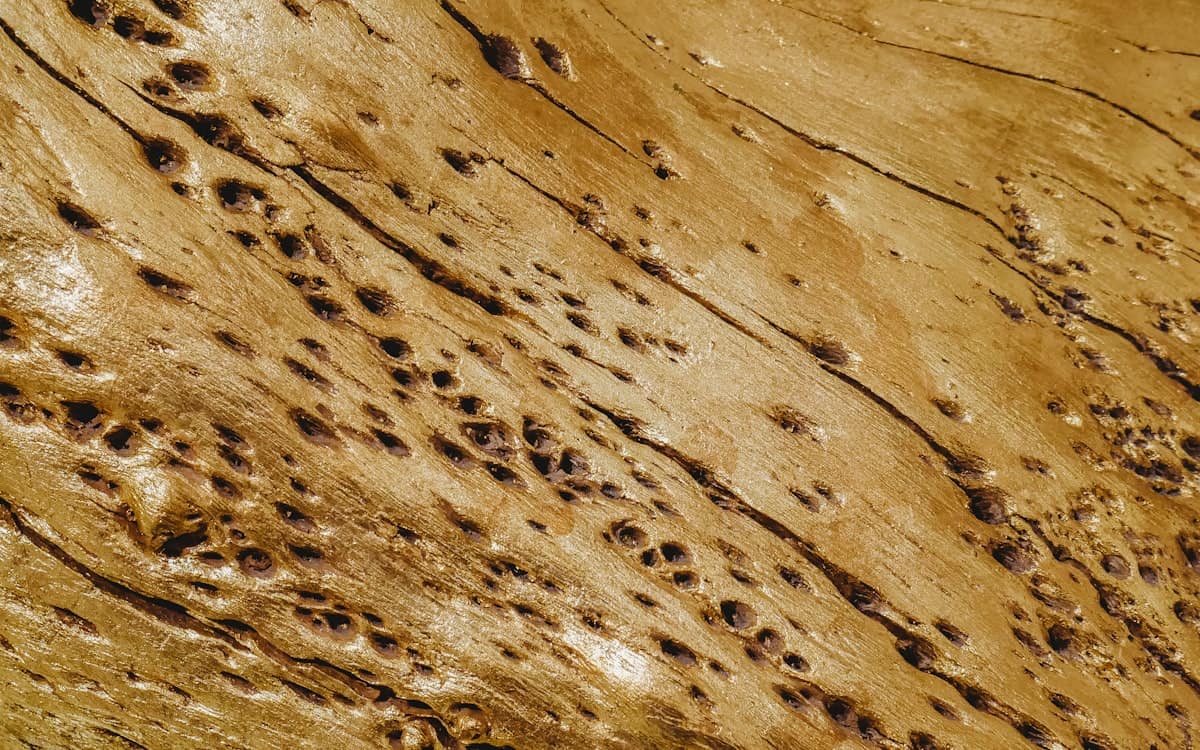
Both cause bubbling paint and soft timber, and they are constantly confused. The tell: water damage is usually uniform and follows gravity (stains spreading downward from a source), while termite damage is directional and layered - galleries running along the grain, packed with dirt-like mudding. Tap the timber: water-damaged wood sounds dull; termite-eaten wood sounds papery and hollow. If you find mudding inside damaged timber, stop investigating and book an inspection - disturbing them further makes treatment harder.
What NOT to Do When You Find Termites
- Do not spray them with surface spray - the colony retreats and resurfaces somewhere you cannot see
- Do not break open mud tubes or galleries beyond the first discovery
- Do not remove or disturb infested timber "to clean it up"
- Do not wait - a mature colony eats continuously, 24 hours a day
- Do photograph what you found, leave it alone, and book a professional termite inspection