Mosquitoes can turn a Melbourne summer evening miserable. Learn where they breed and how to cut the population by up to 90%.
Where Melbourne Mosquitoes Breed
Mosquitoes need only a small amount of still water to breed - and they can go from egg to adult in about a week. The biggest culprits in Melbourne backyards are blocked gutters, pot-plant saucers, bird baths, kids' toys, tarps, old tyres and water features. Bayside and wetland-adjacent suburbs see heavier pressure in summer.
Why They Matter Beyond the Itch
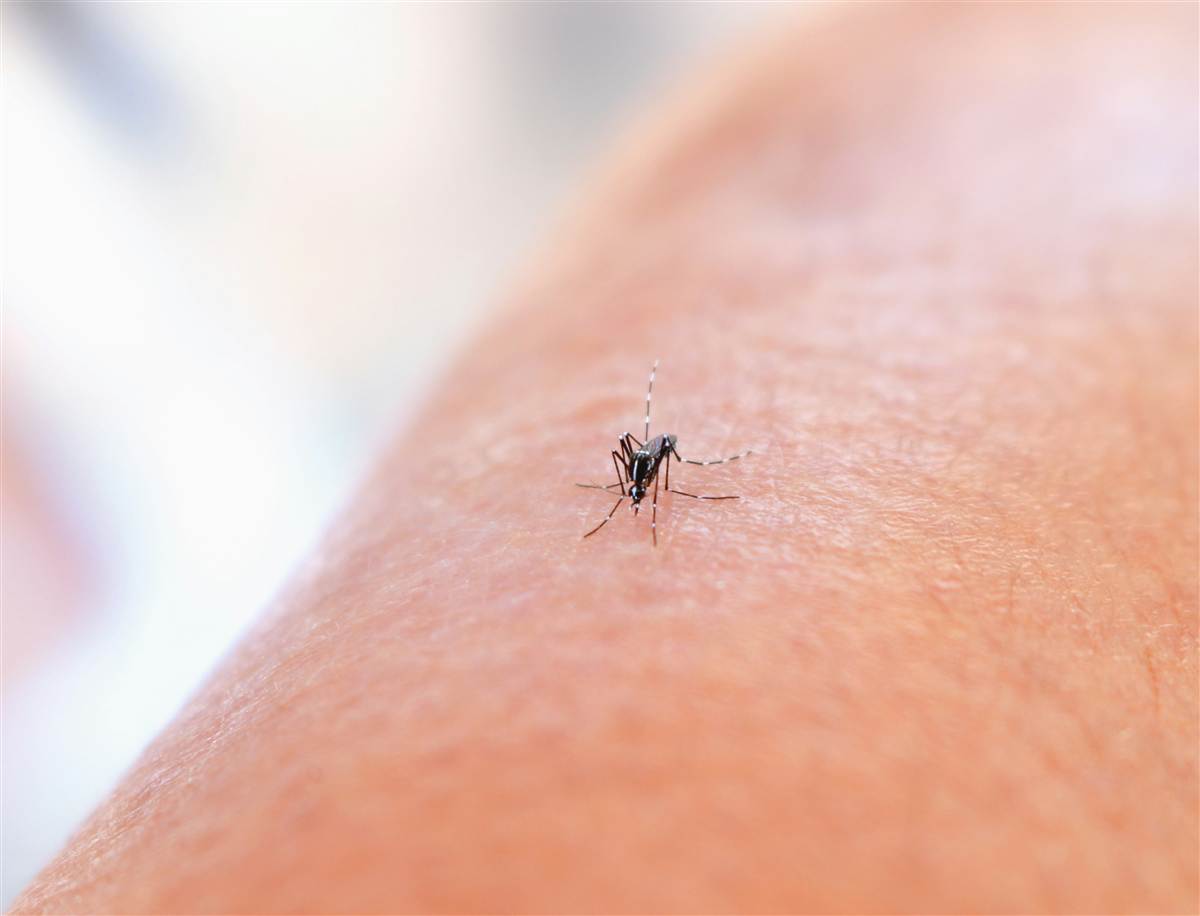
Beyond ruining outdoor evenings, mosquitoes in Victoria can carry Ross River virus and Barmah Forest virus. Reducing breeding sites and adult numbers protects your family and pets.
Cut the Source First
- Tip out or refresh any standing water weekly
- Clear gutters and improve drainage
- Keep pools and water features chlorinated or moving
- Stock ornamental ponds with native fish that eat larvae
Professional Treatment
We treat the cool, shaded harbourage where adult mosquitoes rest during the day - dense shrubs, fence lines, under decks and eaves - with a residual barrier, and target breeding sites with larvicide. Most homes see a dramatic drop in biting within days. For backyard mosquito control across Melbourne, call Pest Eraze on 0416 528 547.
Cost of Backyard Mosquito Treatment
Professional mosquito control starts from around $129 applying a barrier treatment to vegetation, fence lines, and other resting spots where adult mosquitoes shelter during the day, reducing the population by up to 90% for several weeks per application.
Finding and Removing Breeding Sites
Mosquitoes only need a small amount of standing water to breed - blocked gutters, pot plant saucers, and unused buckets are common overlooked sources in Melbourne backyards. Combining a professional barrier treatment with eliminating these breeding sites gives a far more lasting reduction than treatment alone, since new mosquitoes can otherwise keep emerging from an untreated water source nearby.
Mosquito Season in Melbourne: When to Act
Melbourne's mosquito pressure builds from November, peaks December through February, and lingers into a warm autumn. The smart timing: treat and clear breeding sites in late spring, before the first big population boom, then hold protection through summer. Bayside suburbs, homes near wetlands and creeks, and anywhere with poor drainage face the heaviest pressure and benefit most from a mid-season top-up.
Protecting Outdoor Entertaining Areas
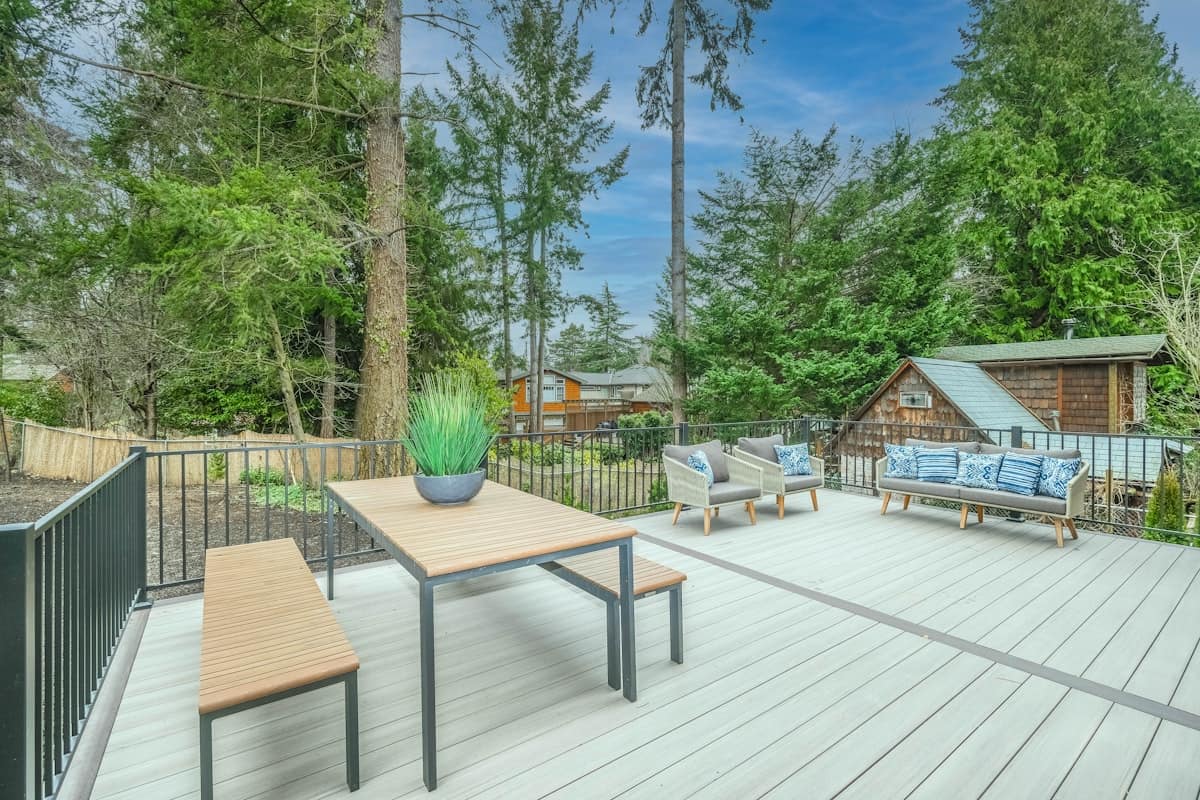
The barrier treatment concentrates on where mosquitoes rest between feeds - dense shrubs, hedges, under-deck shade, fence lines, and eaves around your alfresco area. Combine it with practical measures: pedestal or ceiling fans (mosquitoes are weak fliers), covering water features or stocking them with native fish, and lighting the entertaining area with warm-toned bulbs that attract fewer insects. Together these cut biting around the table by up to 90% for weeks per application.
Your Backyard Mosquito Checklist
- Tip out anything holding water weekly: saucers, toys, buckets, tarps, bird baths
- Clear gutters and check drains actually drain
- Screen rainwater tank inlets and overflow points
- Keep lawns mowed and dense vegetation thinned near seating areas
- Book a barrier treatment before your first big summer gathering