Spraying the ants you see rarely works. Learn why, and how colony-targeting treatment stops Melbourne ant infestations at the source.
Why Ants Keep Coming Back
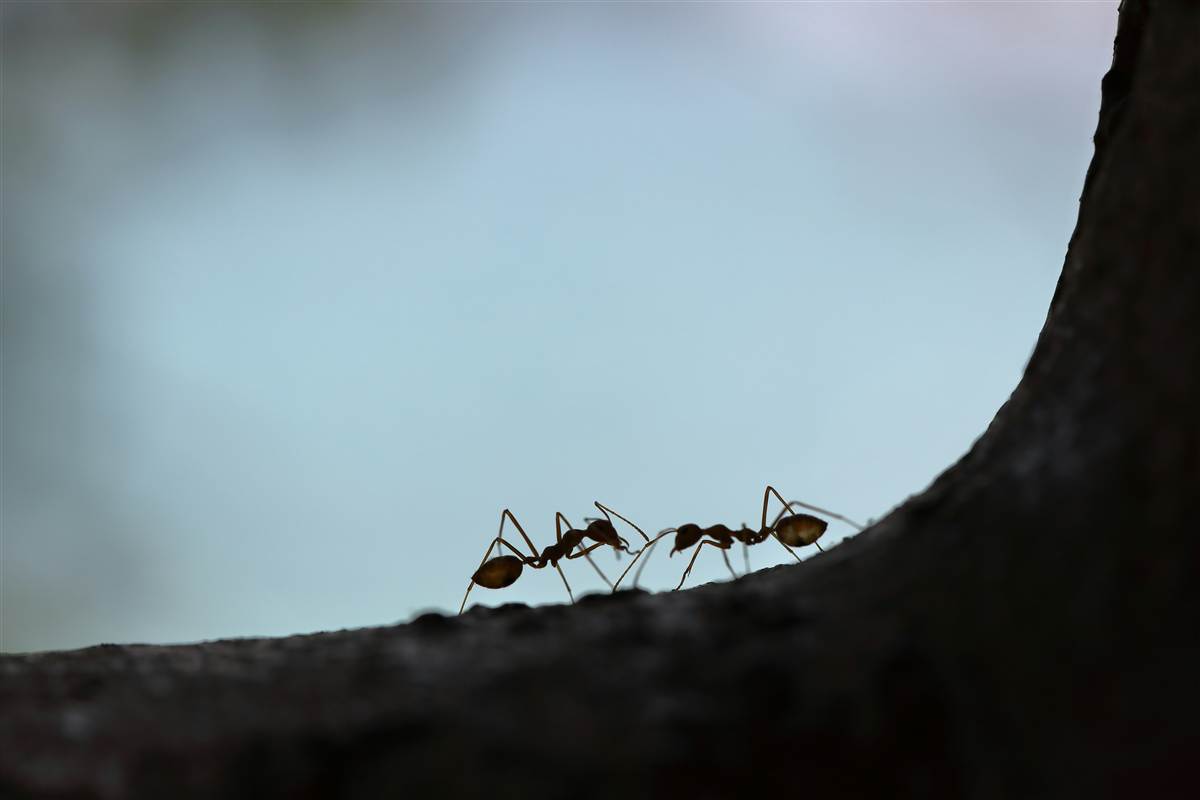
When you spray a trail of ants, you kill the foragers but never touch the nest - and the colony simply sends more. Melbourne homes deal with several species: tiny black house ants raiding the kitchen, Argentine ants forming huge interconnected colonies, and coastal brown ants that leave little piles of soil on paths and bench tops.
Where Ants Nest
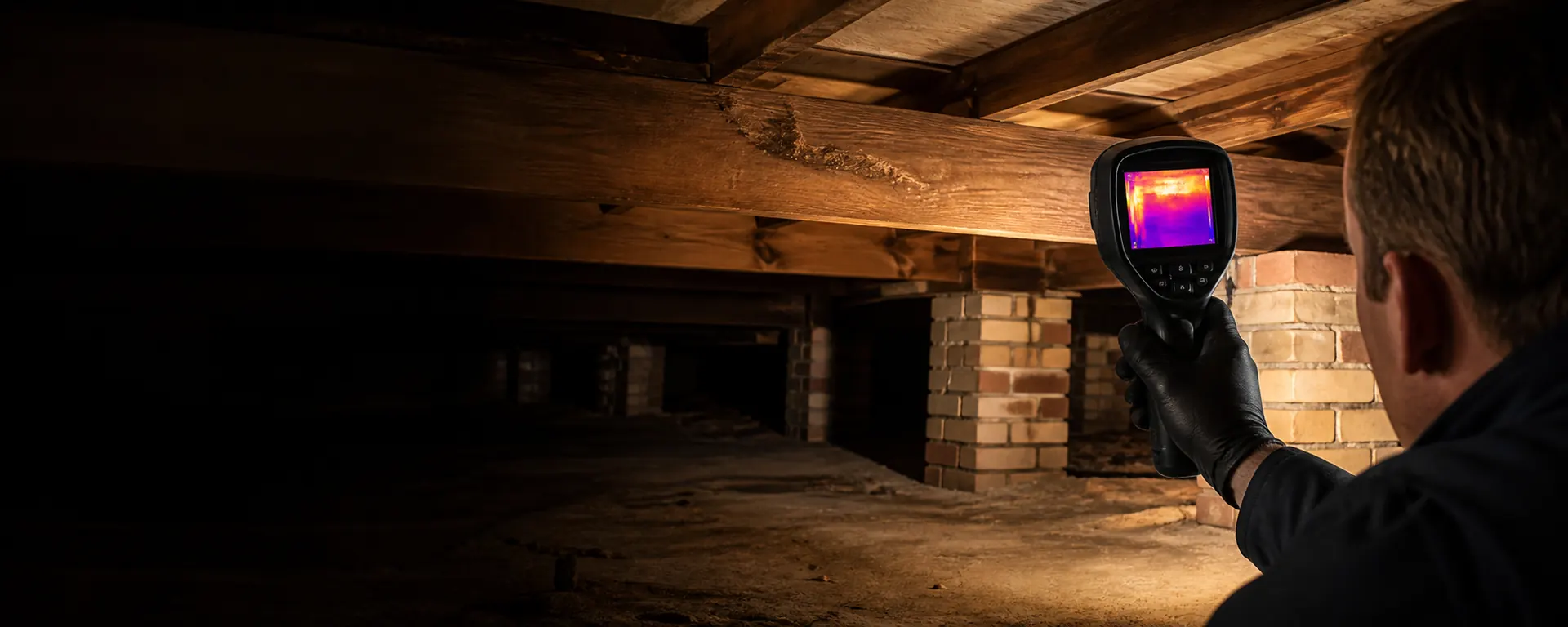
Nests hide in wall cavities, under slabs and pavers, in garden beds, and beneath the house. Ants come indoors looking for water and sugary or greasy food, especially in warmer months and after rain.
The Colony-Targeting Approach
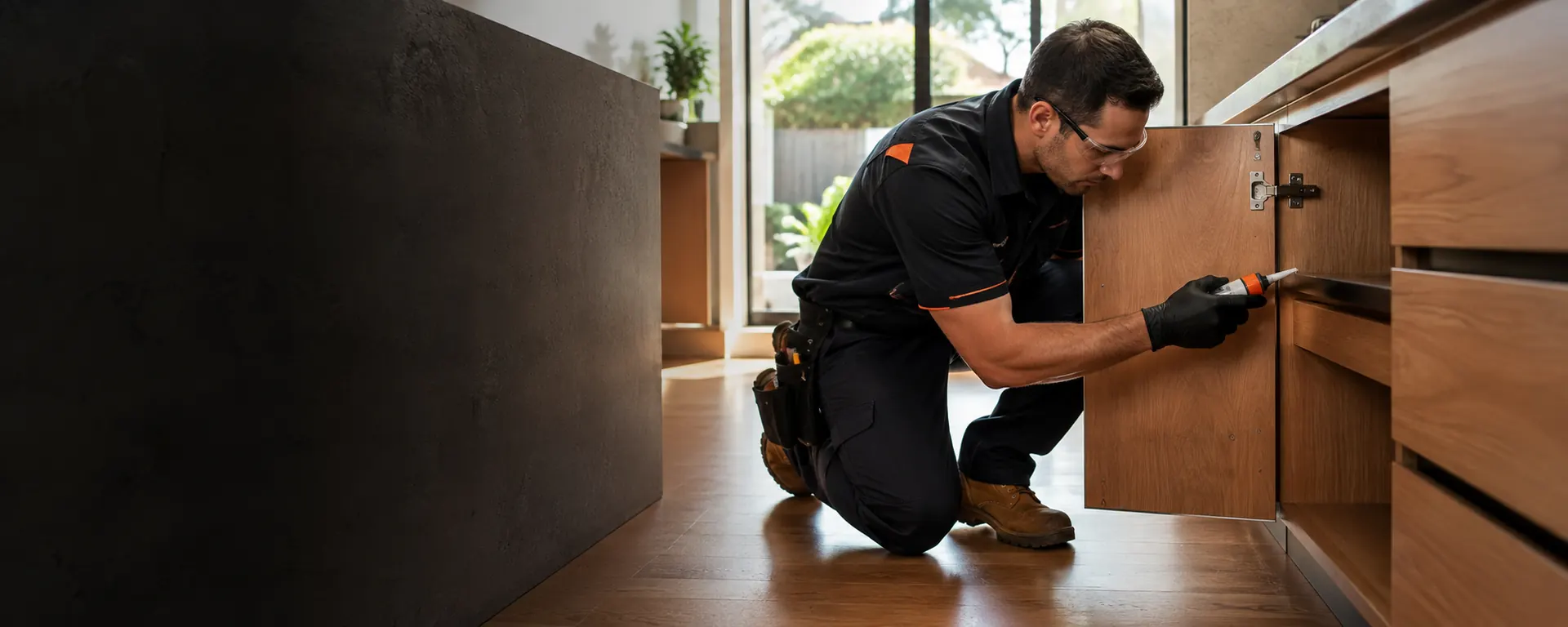
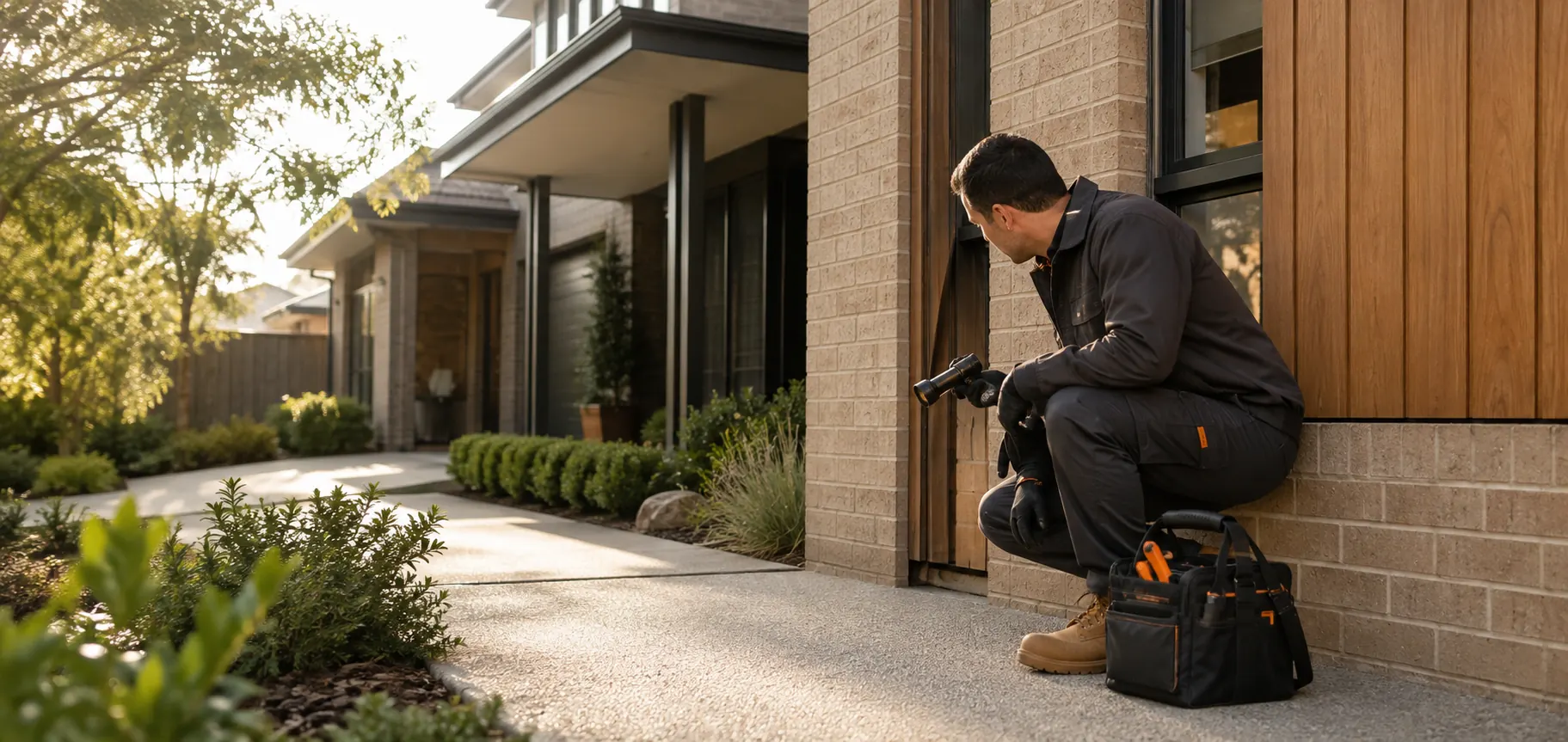
Effective ant control uses baits the workers carry back to the nest, killing the queen and brood so the colony collapses. We combine this with a residual perimeter treatment so new colonies don't move in. Spraying alone can actually make some species "bud" into multiple nests - which is why DIY often backfires.
Prevention Tips
- Wipe up spills and store sweet foods in sealed containers
- Fix moisture issues and dripping taps
- Seal entry gaps around windows, doors and pipes
- Keep mulch and garden beds back from the slab edge
For lasting ant control across Melbourne, call Pest Eraze on 0416 528 547 for a fixed-price quote.
Cost of Professional Ant Treatment
Ant control in Melbourne starts from around $129 using colony-targeting baits that worker ants carry back to the nest, rather than surface sprays that only kill the ants visible on a trail at the time of application.
Why Spraying the Trail Makes Things Worse
Spraying visible ants often triggers the colony to "bud" - splitting into multiple smaller colonies as a defensive response - which can turn a single ant trail into several separate infestations. Targeted baiting avoids this by allowing ants to carry the bait back to the full colony, including the queen, without triggering a defensive split.
Melbourne's Worst Ant Invaders, Ranked
- Argentine ants - the hardest to control. Multiple queens, interconnected super-colonies, and spraying makes them split into more nests.
- Coastal brown ants - excavate soil from under pavers and slabs, leaving tell-tale dirt piles along paths and in bathrooms.
- Black house ants - the classic kitchen trail ant, nesting in wall voids and roof spaces.
- Carpenter ants - nest in damp timber; occasionally confused with termites (see white ants vs termites).
Why Ants Explode After Rain
Melbourne downpours flood underground nests and wash away scent trails, sending colonies surging into wall cavities and kitchens for shelter and food. It is why ant call-outs spike within 48 hours of heavy rain. A perimeter residual treatment stops the migration at the slab edge rather than at your bench top.
The 48-Hour Kitchen Ant Plan
- Do not spray the trail - you will scatter the colony and lose the trail that leads to the nest
- Wipe surfaces with vinegar or soapy water to erase scent trails
- Seal every food source: sugar, honey, pet food, crumbs under appliances
- Place gel baits along the trail line and leave them undisturbed - workers carry the bait to the queen
- If trails return within a fortnight, the colony needs professional colony-targeting treatment