Repeated wasp traffic into a wall gap or ground hole can indicate a hidden nest. Learn the safe next steps and what to tell a Melbourne wasp technician.
A hidden entrance can be the main clue
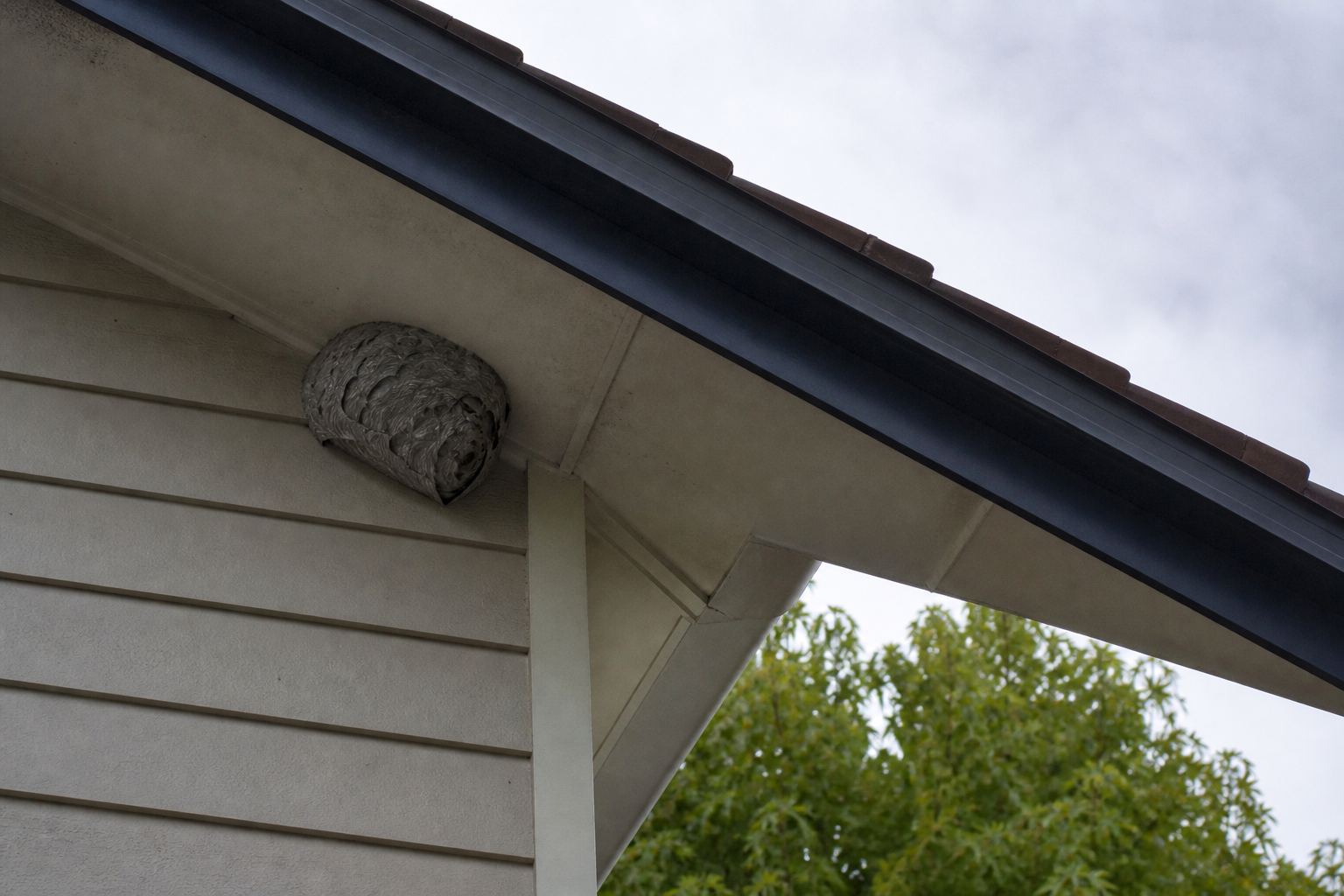
Many Melbourne homeowners expect a hanging paper nest. European wasp nests may instead be concealed in soil, a retaining wall or a building cavity. Repeated flights into one small opening are more useful to report than the number of wasps seen at a barbecue. Victorian health guidance says many European wasp nests are in the ground.
Note the location from a safe distance: for example, “wasps enter a gap under the front retaining wall, two metres from the path.” You can also tell the operator whether a ladder, locked gate or neighbouring property affects access. Do not dig, pour liquid into the hole, block the entrance or put your face near it to get a photo.
What a professional needs to determine
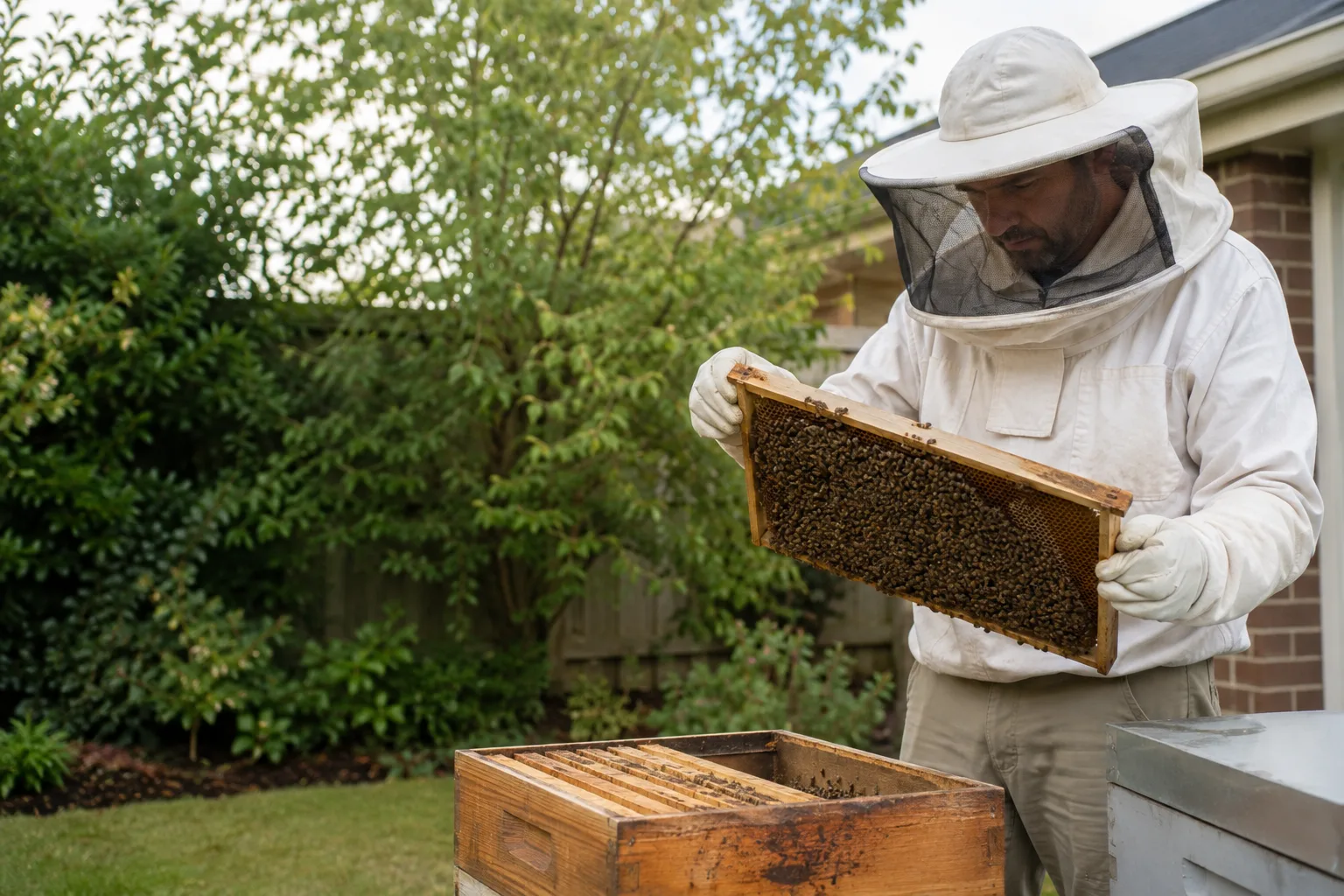
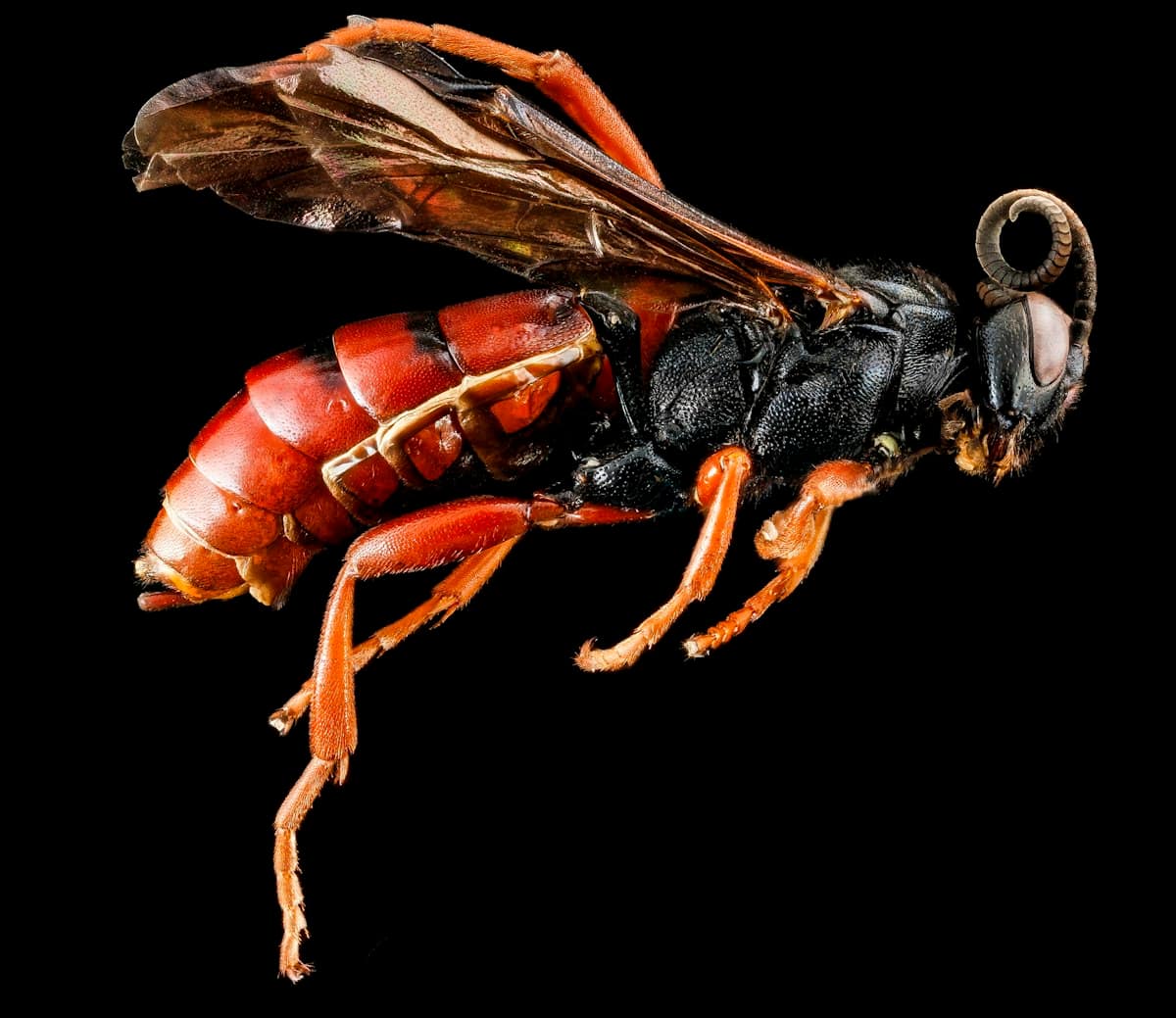
- Which insect is present. Bees and wasps call for different responses.
- Whether the entrance leads to an active nest or is only a foraging route.
- Whether the nest is accessible and which treatment is appropriate.
- How to keep people away from the area during and after the work.
Ask for a quote that states the assessment and treatment scope, any access limits and the follow-up advice. A visible opening does not always reveal the size or position of the nest. Our spring wasp checklist helps you record useful observations before the visit.
Book help for an active route near people
If traffic crosses a doorway, play area or regular path, keep the area clear and contact a Melbourne wasp control technician. Include your suburb and a photo taken from a safe position with your quote request. If a sting produces breathing difficulty, throat swelling or collapse, call 000 immediately.
Further guidance
Victorian Department of Health: European wasps describes hidden nest locations and professional control.