Not sure whether the insects by your eaves or garden are bees or wasps? Compare useful clues and choose a beekeeper or pest control assessment safely.
Start with behaviour and location, not a close-up
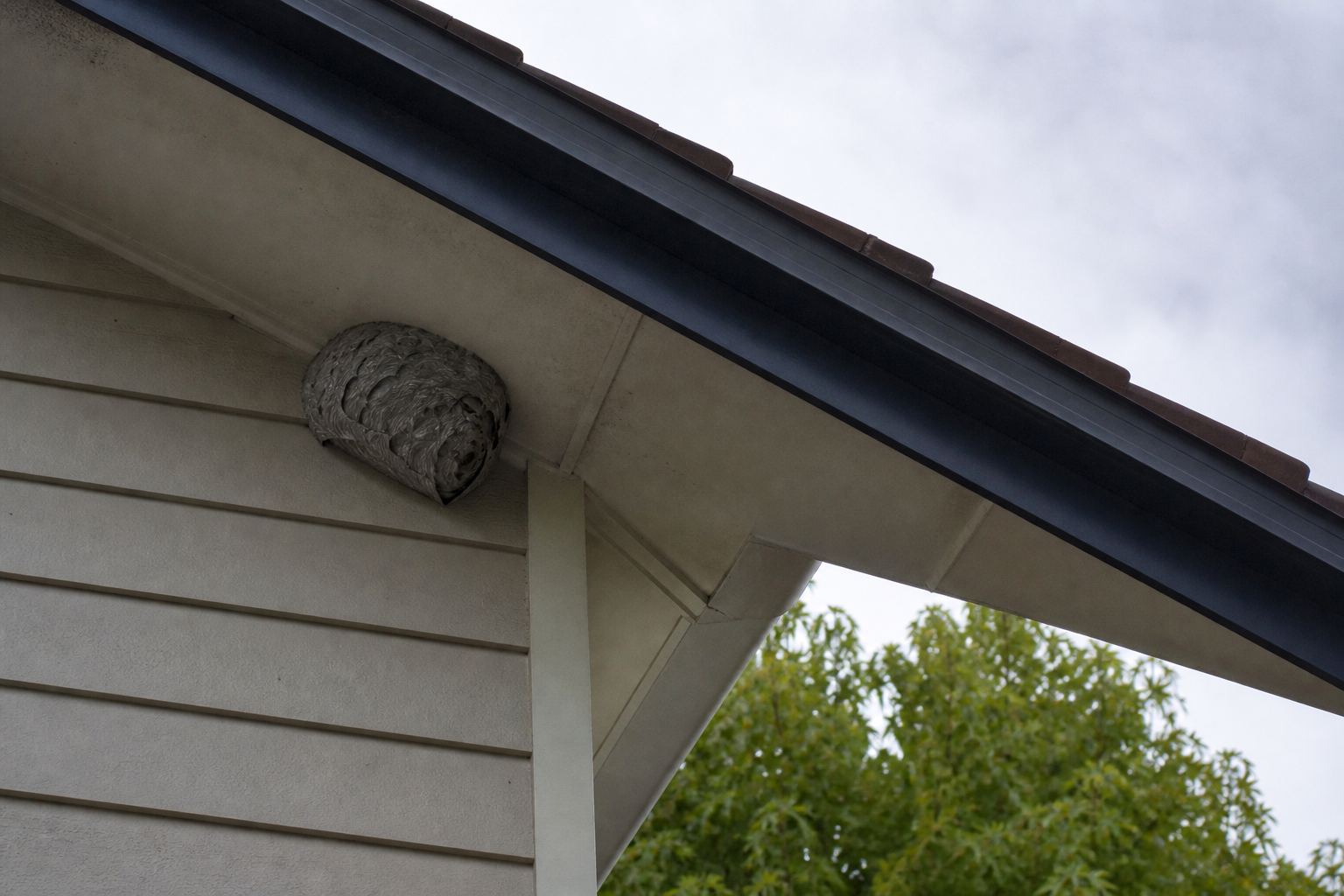
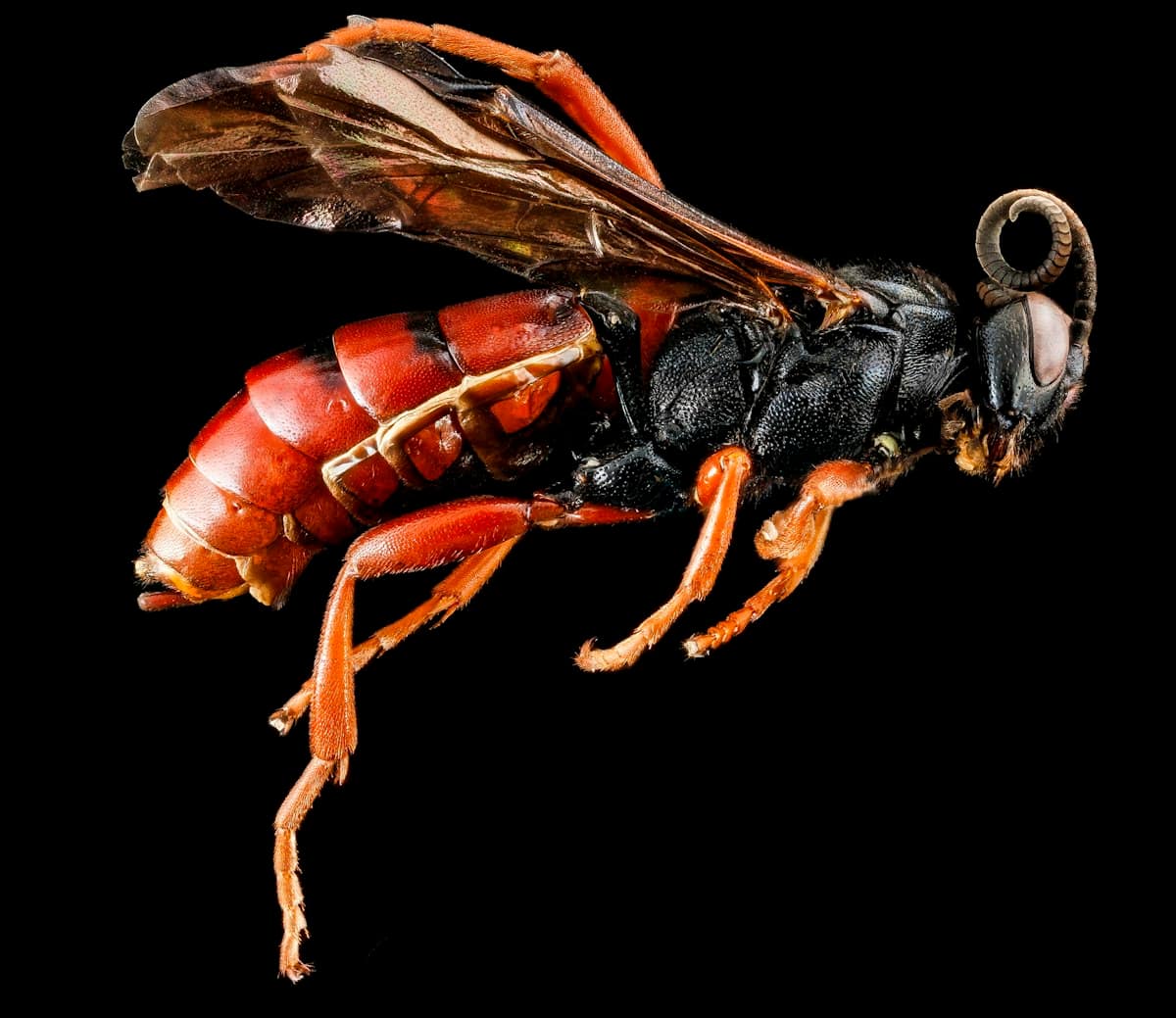
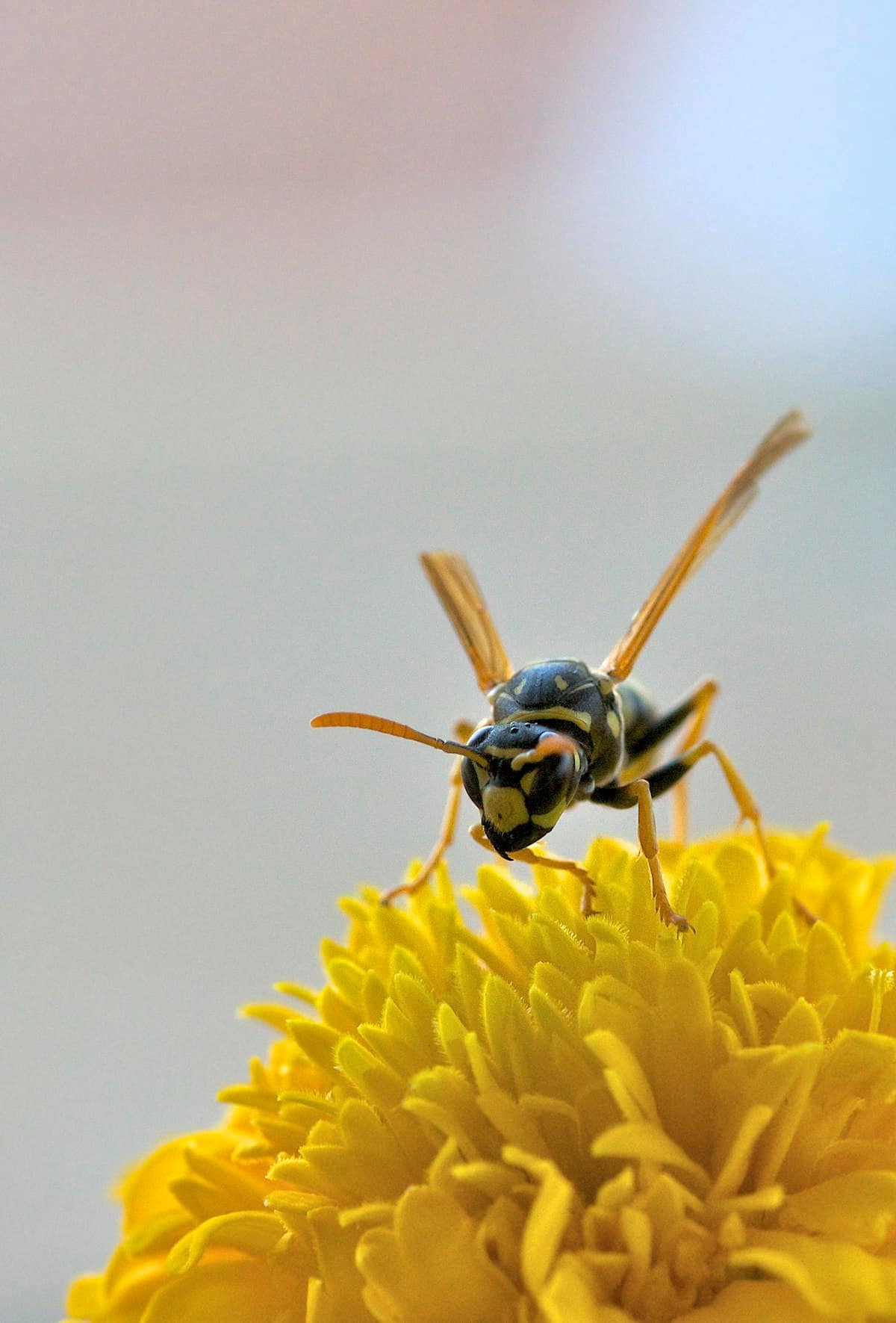
From a safe distance, note whether insects are clustered together, repeatedly using a cavity entrance or visiting food. A hanging group of honey bees may be a swarm. Wasps repeatedly entering a ground hole or wall gap may point to a hidden nest. These clues are useful for a booking, but colour alone is not a reliable identification.
Use your phone's zoom if you can photograph them safely. Do not handle an insect, climb toward a nest or stand in its flight path to identify it. Send the photo and a short description to the provider instead.
Which service fits the situation?
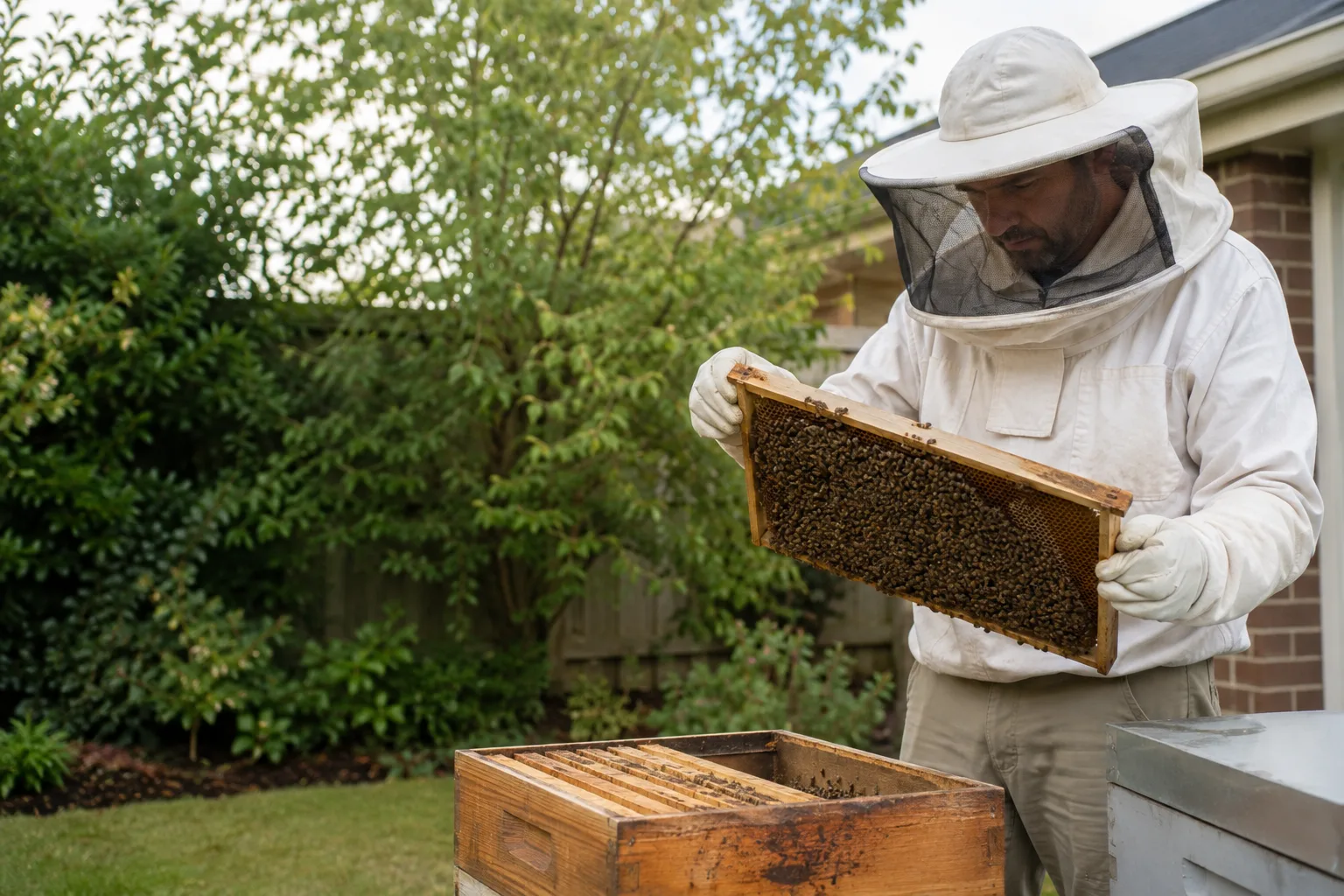
- Visible bee cluster: ask about swarm collection and possible rehoming. See our bee swarm guide.
- Bees repeatedly entering a structure: ask for cavity assessment, removal options and what building work may be needed.
- Wasps repeatedly entering a ground or wall opening: ask a licensed pest control operator to assess the nest. See our hidden wasp nest guide.
- One insect on flowers: this alone does not establish that there is a nest on your property.
For either problem, mention allergies, nearby public access and any previous attempts to treat the area. A provider should explain identification, scope and safety instructions before work starts. Victorian Department of Health guidance recommends checking that a pest control operator is licensed.
Request the right assessment
Read about bee removal and wasp control, then send your suburb and observations. If the insect cannot be identified from a photograph, ask for an on-site assessment rather than assuming the treatment in advance.
Further guidance
Victorian Department of Health: European wasps compares bees and wasps. Victorian Department of Health: licensed operators explains the licence check.