Spring is the time to notice new wasp activity around Melbourne homes. Learn what to check from a safe distance and when to book a nest assessment.
Why spring is a useful time to look for wasps
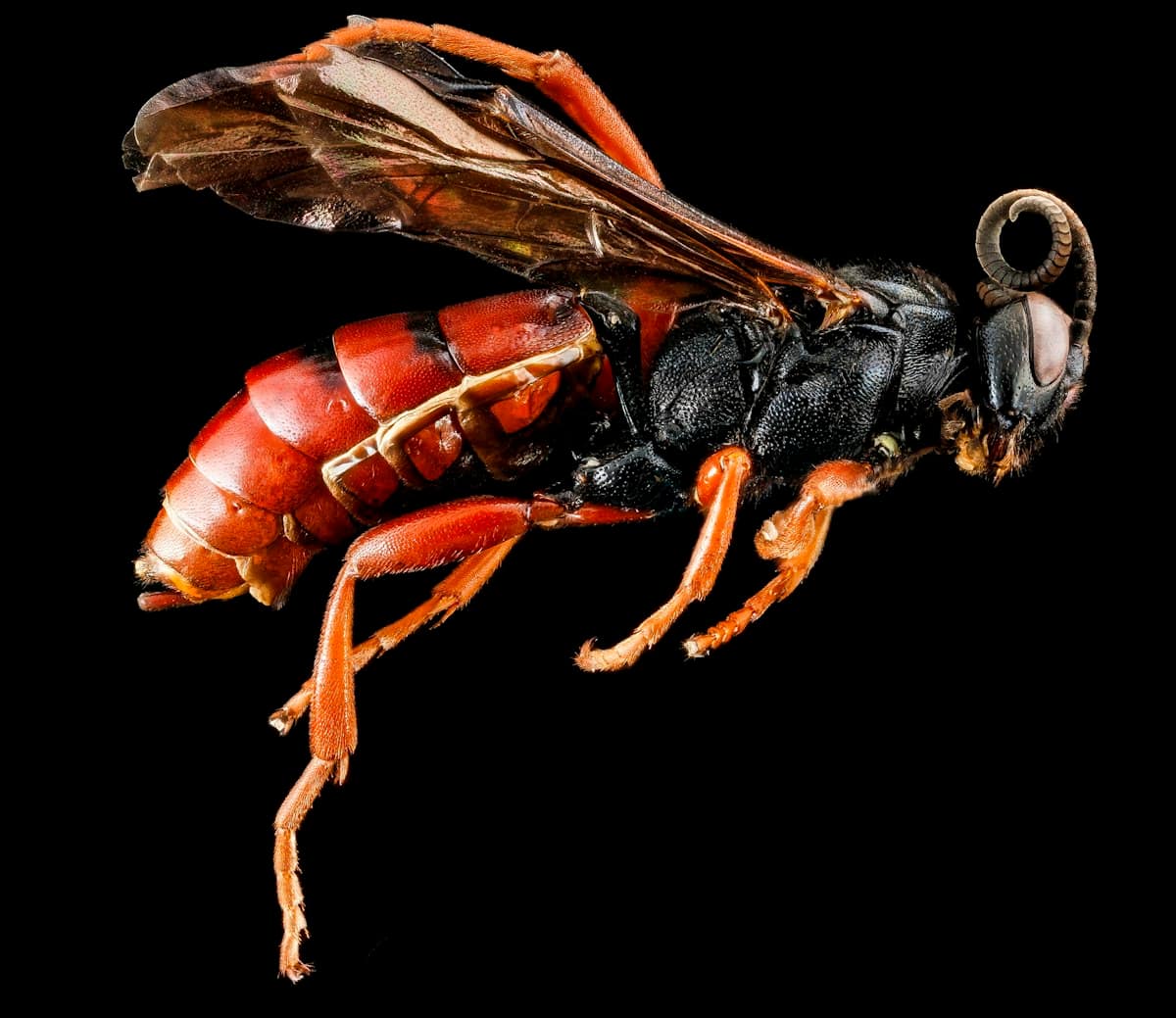
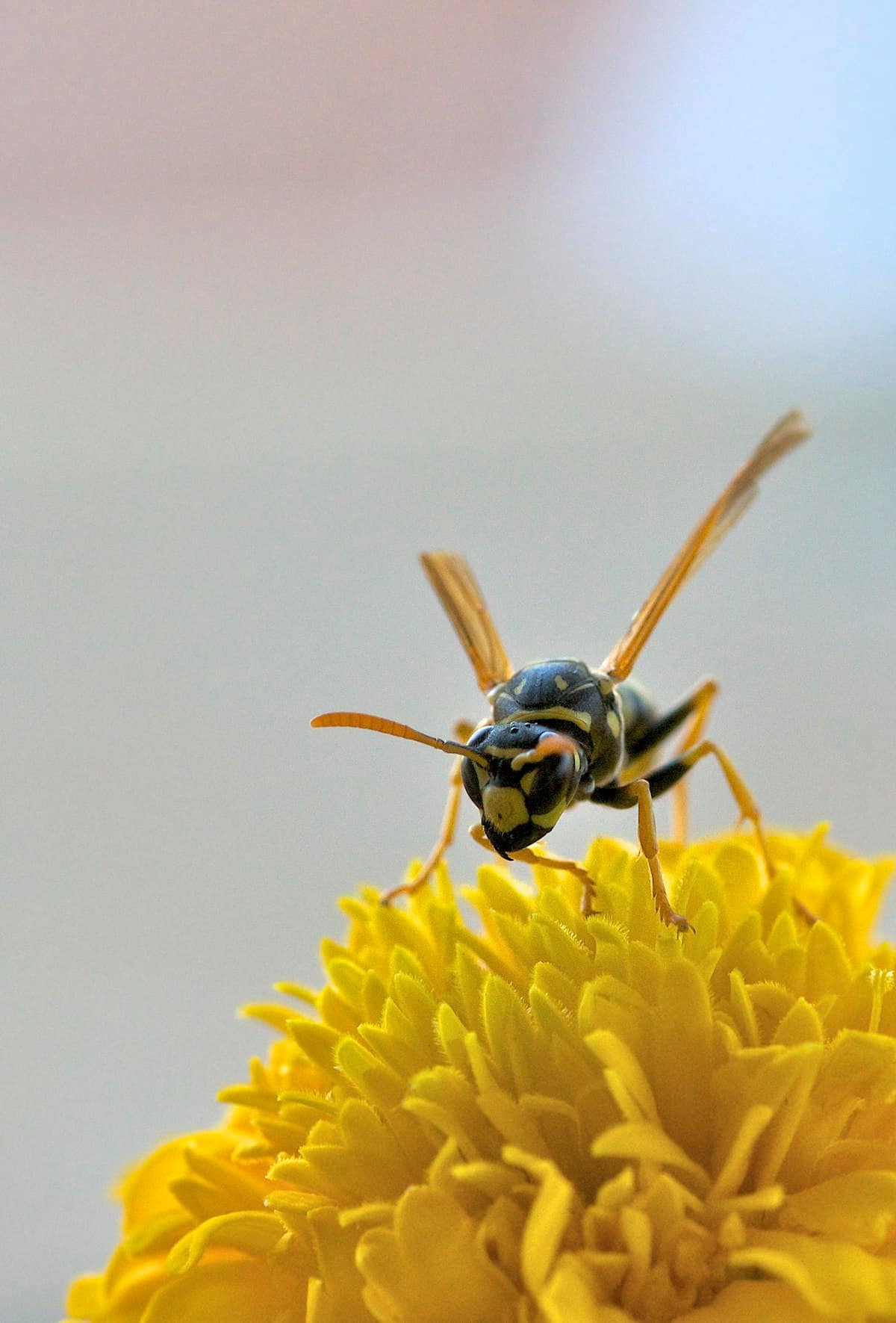
As Melbourne moves into warmer weather, wasp activity becomes easier to notice around outdoor eating areas, garden edges and buildings. A single wasp at a flower is different from a repeated flight path into the same hole. The useful question is whether insects are travelling to a fixed entrance near people.
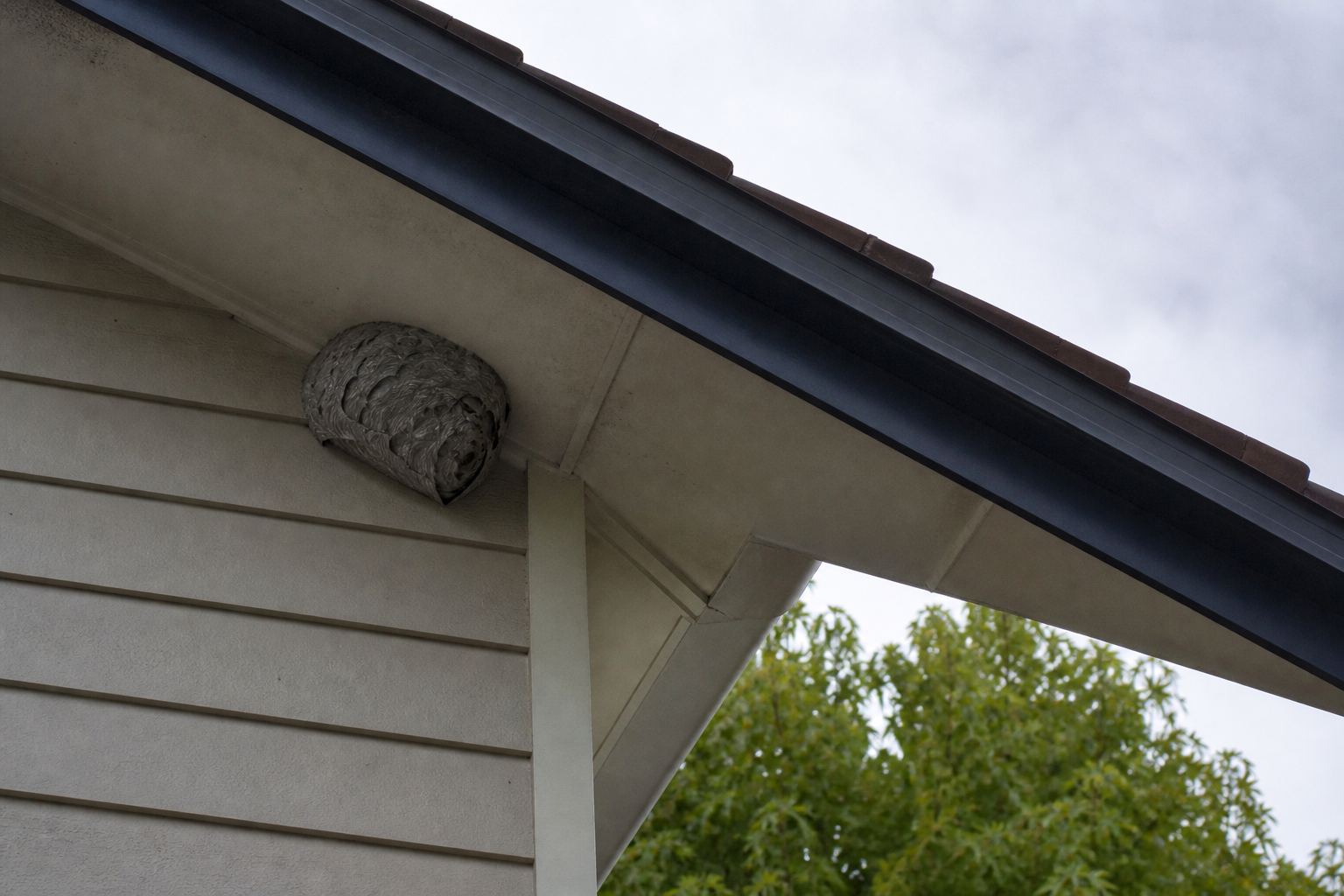
European wasps can nest in the ground, retaining walls and building cavities. Paper wasps may build visible, open nests beneath eaves. You do not need to identify either species yourself to ask for an assessment. Our bee or wasp guide explains what a distant observation can and cannot tell you.
A five-minute check from a safe position
- Watch from indoors or from well away from the activity. Note any repeated movement through one wall gap, roof edge or ground opening.
- Write down when activity is most noticeable and whether children or pets use the area.
- Photograph the location using zoom if you can do so without approaching it.
- Keep people and pets away from a suspected nest entrance. Do not block the opening, knock down a nest or spray into a wall cavity.
If you see wasps only around food, cover outdoor meals, close bin lids and clear fallen fruit. These steps reduce attractants, but they do not locate or treat a nest that may be nearby.
When to book wasp control in Melbourne
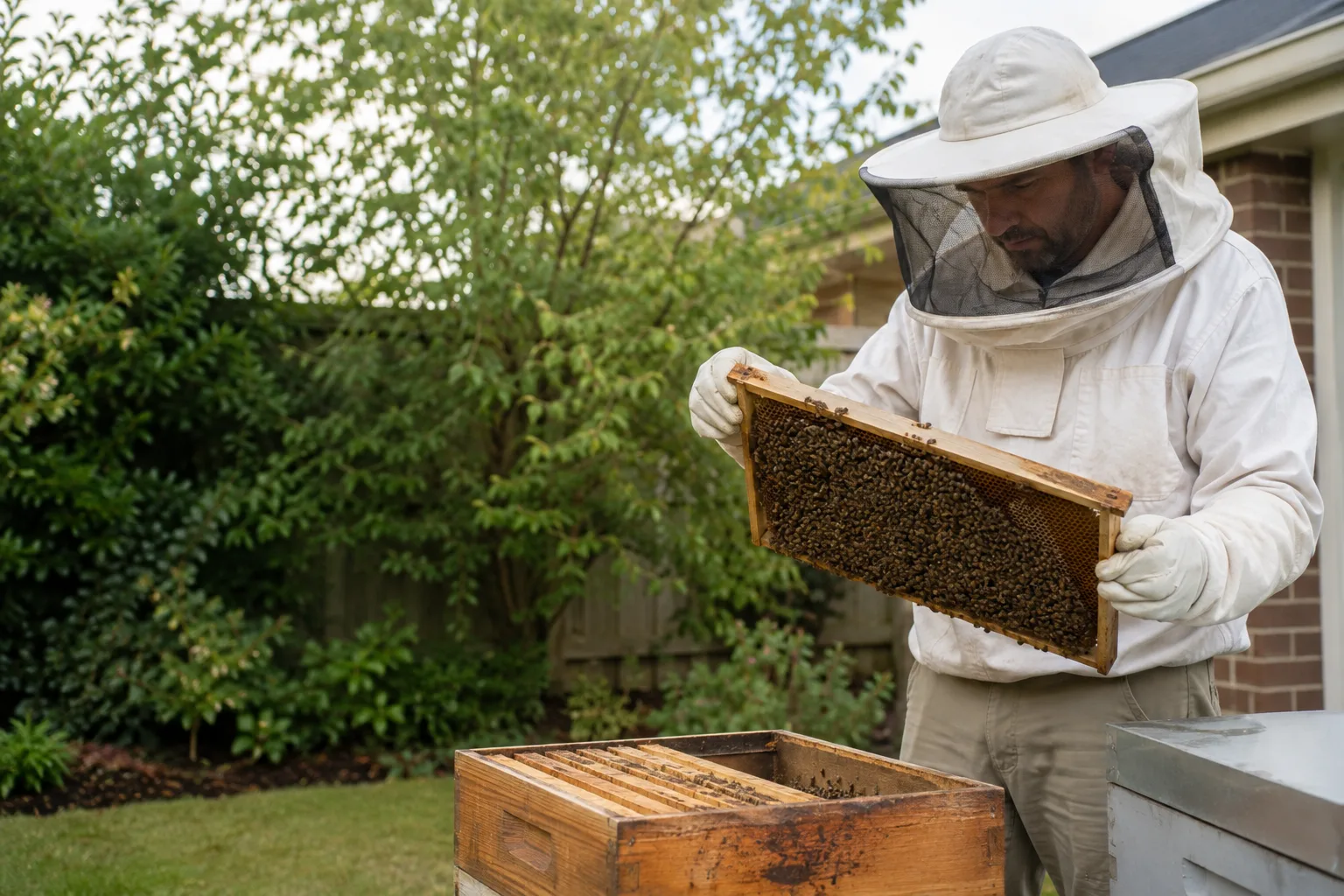
Request a wasp removal assessment if insects repeatedly enter the same point, the suspected nest is beside a doorway or play area, or someone at the property has a sting allergy. Tell the operator the suburb, exact location, access conditions and what you have seen. Nest location and species affect the treatment plan and quote.
If anyone has signs of anaphylaxis after a sting, call 000 for an ambulance. Pest control is not a substitute for urgent medical care.
Further guidance
Victorian Department of Health: European wasps covers nesting sites and prevention. Better Health Channel: anaphylaxis explains emergency symptoms.