Shared entrances and boundaries can complicate townhouse pest control. Learn how to organise observations, access and a clear Melbourne treatment scope.
Start with the area affected, not the whole development
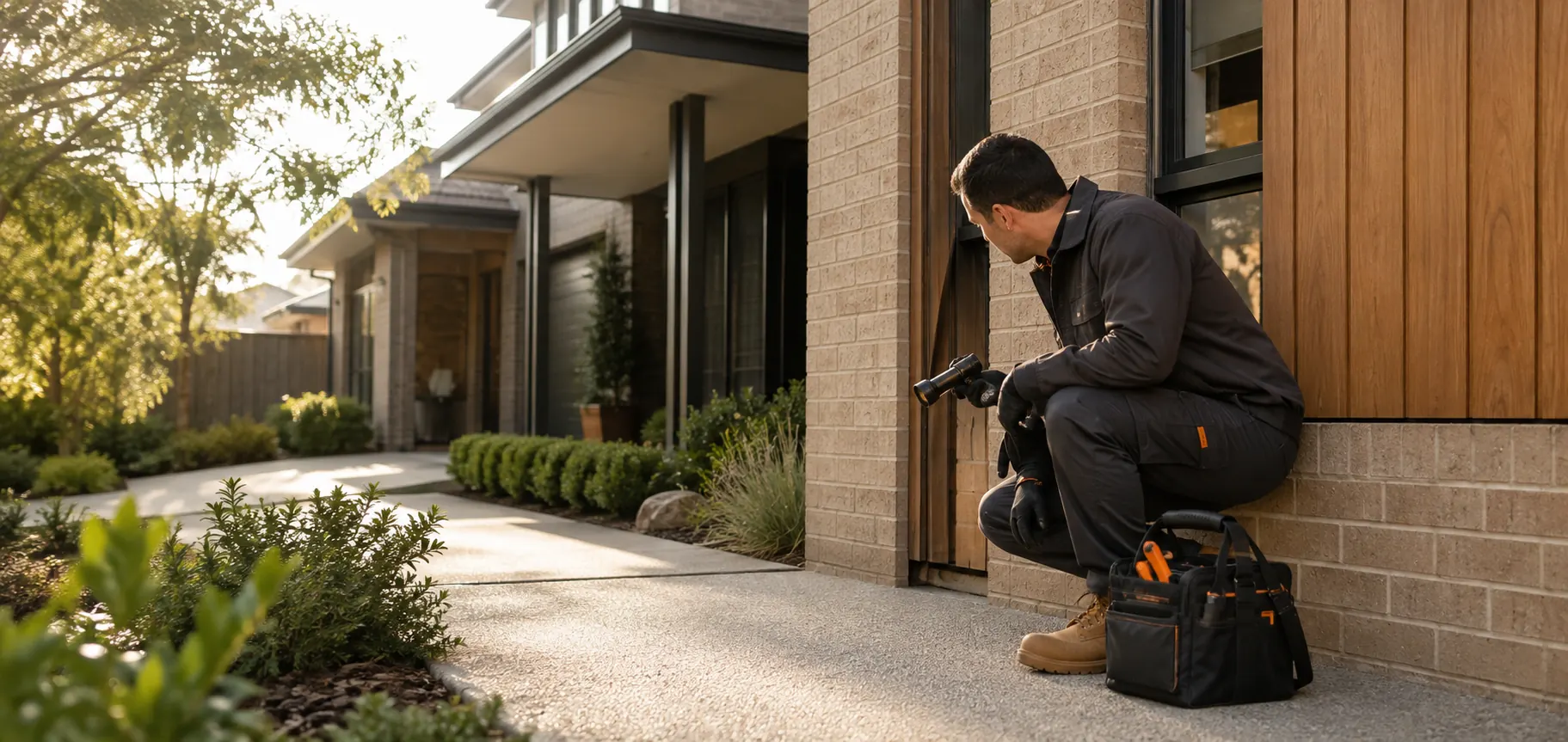
Pest control for a Melbourne townhouse begins with a precise description of the activity. Ants beside one kitchen window, rodents around a garage door and wasps near a communal path require different assessments. Shared walls or adjoining gardens do not establish that every home has the same problem.
Record what you have seen in your own home and distinguish it from a neighbour's report. Include the room, outside feature, timing and frequency. An operator can use that information to discuss the scope without treating an assumption as a confirmed infestation.
Organise access before the appointment
Tell the provider about locked side gates, narrow paths, limited parking and roof areas that cannot be reached from your property. If a suspected nest entrance or rodent route is in a shared area, contact the person who coordinates access. An appointment for your home does not automatically authorise work elsewhere.
If an owners corporation or property manager is involved, ask who will approve the proposed work and communicate with other residents. This is an access and booking question; responsibility for costs should be resolved for the actual property arrangement rather than assumed from a general blog.
Match the visit to the pest
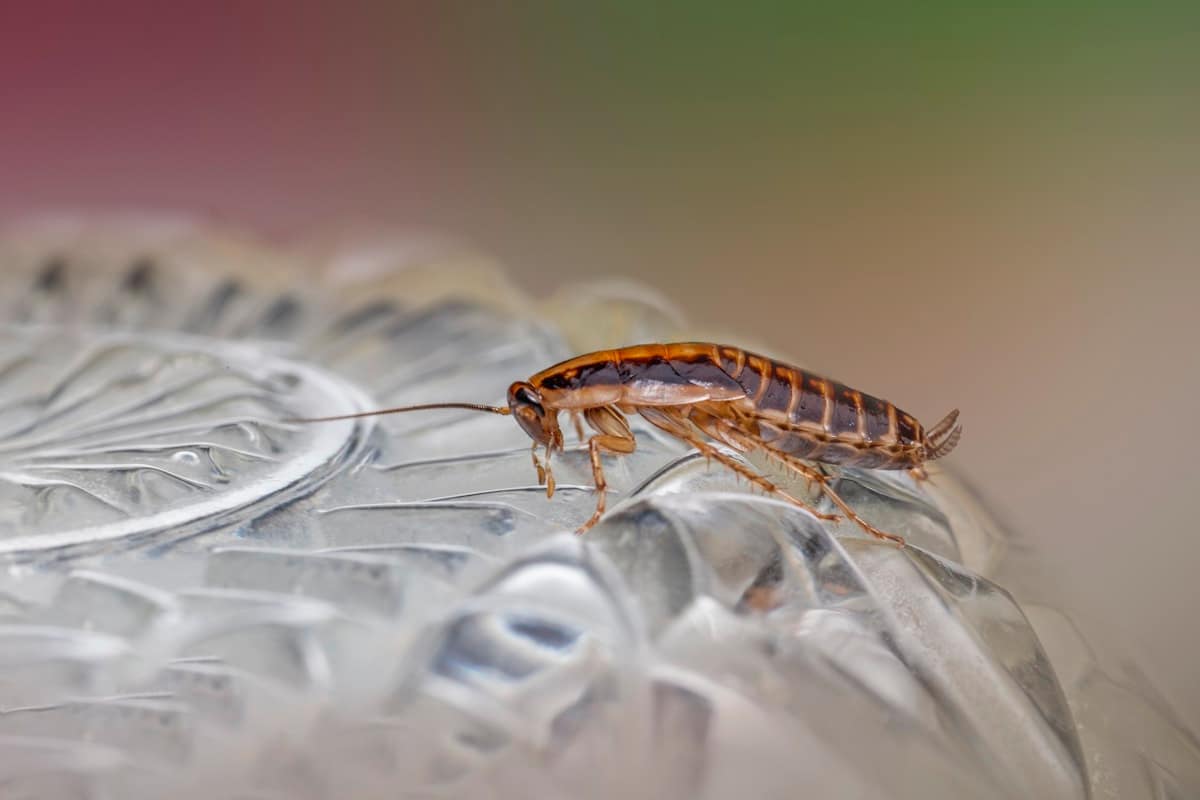
- Crawling insects indoors: describe affected rooms and discuss general pest control or a targeted service.
- Rodent evidence: identify where it occurs and ask about inspection, monitoring and entry-point advice. See our rodent management guide.
- Wasps beside a shared path: keep clear, record the apparent entrance safely and ask for wasp assessment.
- Bees in a roof or wall: ask about identification, beekeeper involvement and access work. Bee handling differs from general insect treatment.
A useful quote names the pest being assessed, the work areas and any limits caused by restricted access. Ask how additional areas would be quoted if evidence is found during the visit.
Coordinate preparation and follow-up
Ask what preparation applies to your treatment and whether other residents need information because they use the work area. Victorian health guidance says operators should explain the proposed product, application areas, re-entry period and preparation or aftercare measures. Get instructions for the actual job rather than applying a universal waiting time.
After the visit, keep the service record and note any inaccessible areas. If activity continues in a shared location, report the observation with its date and position. The next step might require coordinated access rather than simply repeating treatment inside one home.
Book local pest control
When searching for pest control near you, check licence status, the relevant service and suburb availability. See our Melbourne service areas and request a quote with your townhouse address, affected areas and access details.
Sources
Victorian Department of Health: licensed operators; Victorian Department of Health: treatment information for clients.