Inspection pointers for established homes, gardens and apartments in the inner east, plus local links for every listed suburb.
How to start a useful pest inspection
The inner east has a mix of established houses, larger gardens and apartment developments. Tree cover, garden timber and moisture deserve attention when checking a property, but a nearby tree alone does not establish a termite problem. Identification and inspection come first.
What to check around the property
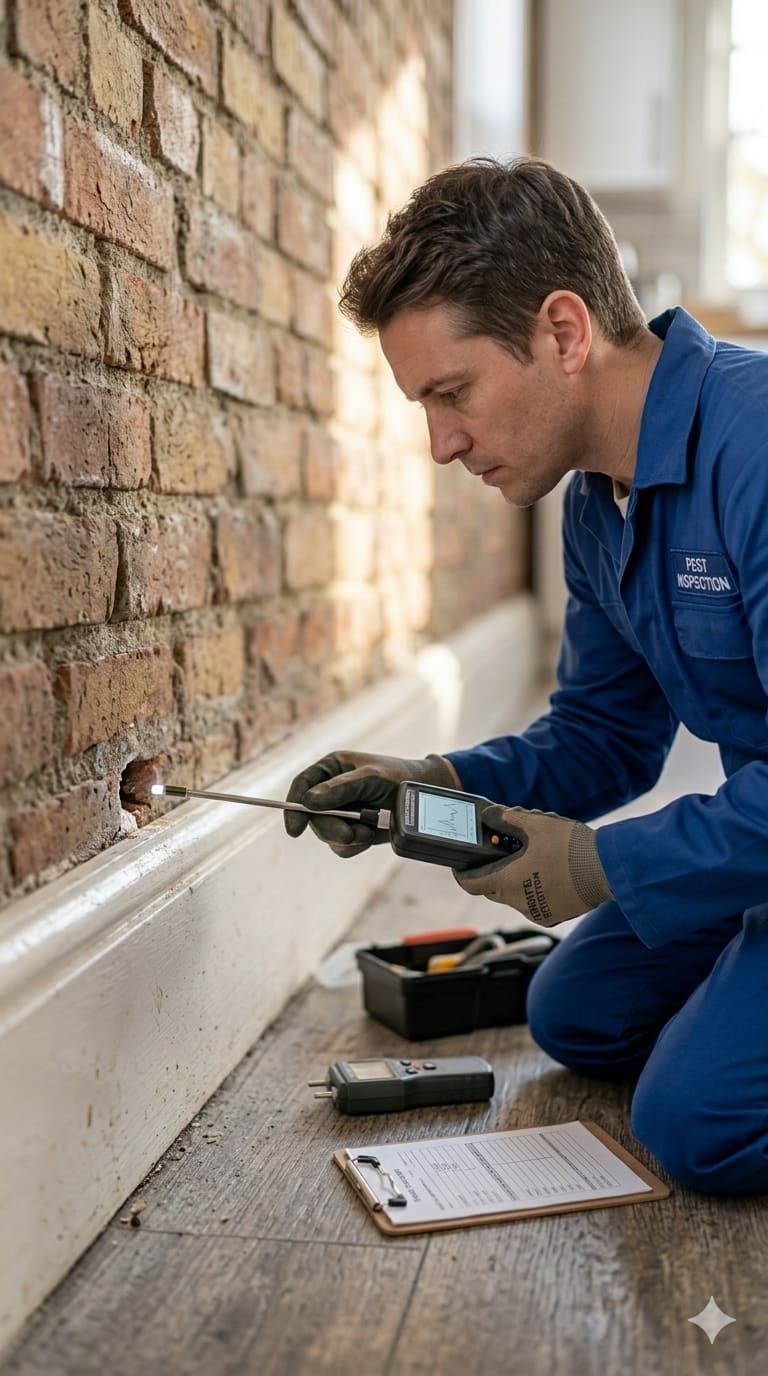
For houses, note any damp timber, drainage problems, fence-to-wall contact and areas that cannot be inspected easily. For apartments, record the unit, level and affected room and ask who can arrange access to common property. Keep photographs of any suspected damage without disturbing material that a technician may need to assess.
Clues that help identify the problem
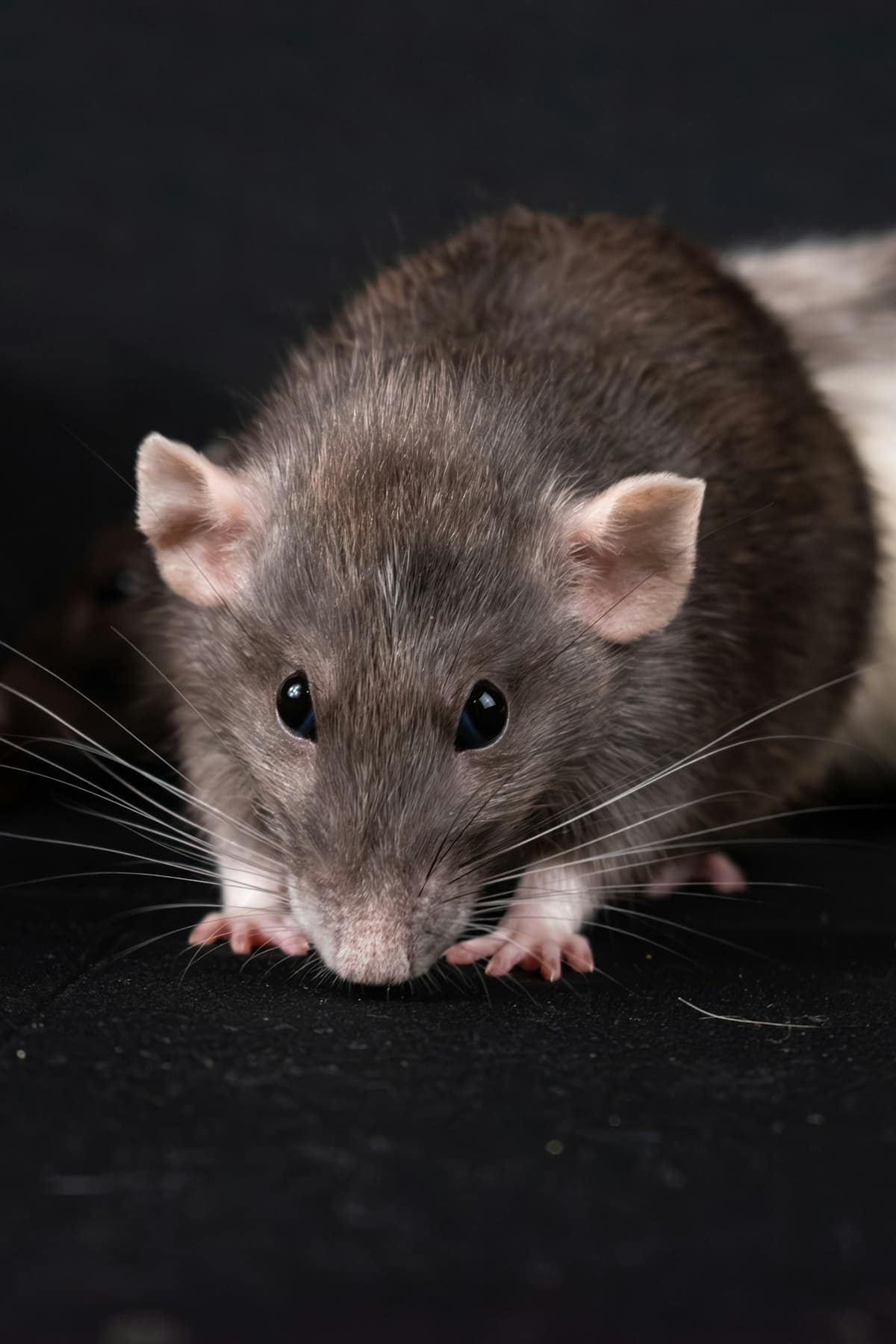
Mud-like shelter tubes or damaged timber need a qualified termite inspection, not a guess based on a photograph. Ant trails may enter at windows or plumbing gaps. Rodent activity around garages and roof spaces calls for both identification and an entry-point review.
Before you request a visit
Move stored items away from inspection points where practical, keep pets clear of the work area and provide a history of leaks or previous pest work.
Read about the relevant treatments
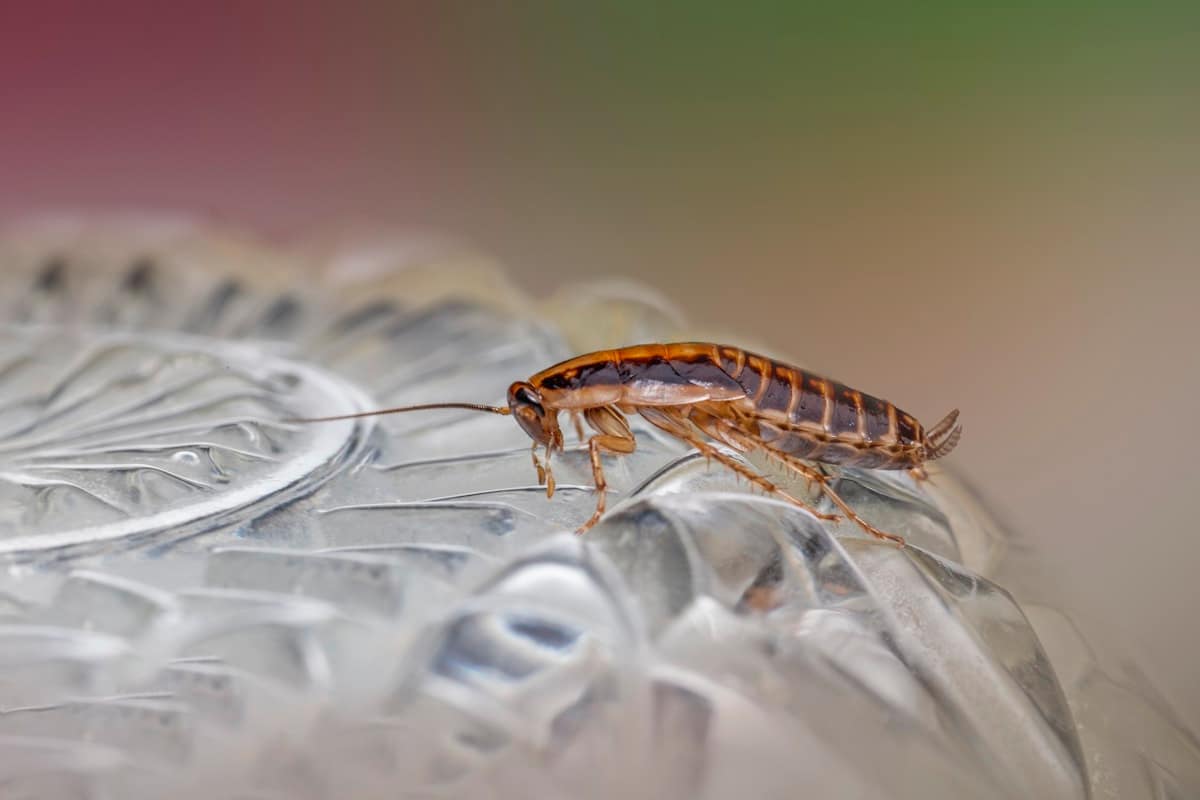
Choose a guide for the pest you have seen. If the species is uncertain, describe the evidence rather than guessing.
Suburbs covered in this guide
These are the suburbs listed for this part of Melbourne. Each local page describes its service area and common pest topics. Confirm appointment availability for your address.
- South Yarra (3141)
- Prahran (3181)
- Windsor (3181)
- Toorak (3142)
- Armadale (3143)
- Malvern (3144)
- Malvern East (3145)
- Glen Iris (3146)
- Hawthorn (3122)
- Kew (3101)
- Camberwell (3124)
- Balwyn (3103)
- Box Hill (3128)
- Doncaster (3108)
See the full Melbourne service area directory or ask Pest Eraze about a specific pest and suburb.