A useful rodent control plan addresses evidence, food sources, access points and follow-up. Learn what to ask before booking rat or mice control in Melbourne.
Effective rodent control starts with evidence
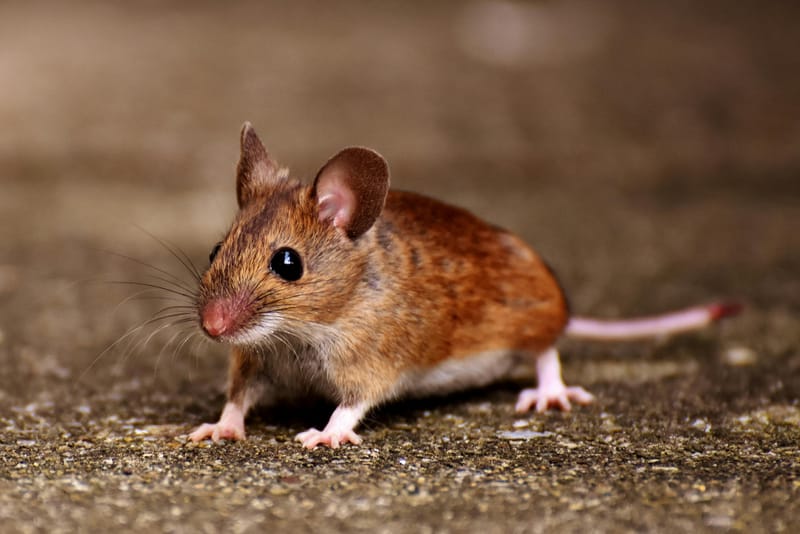
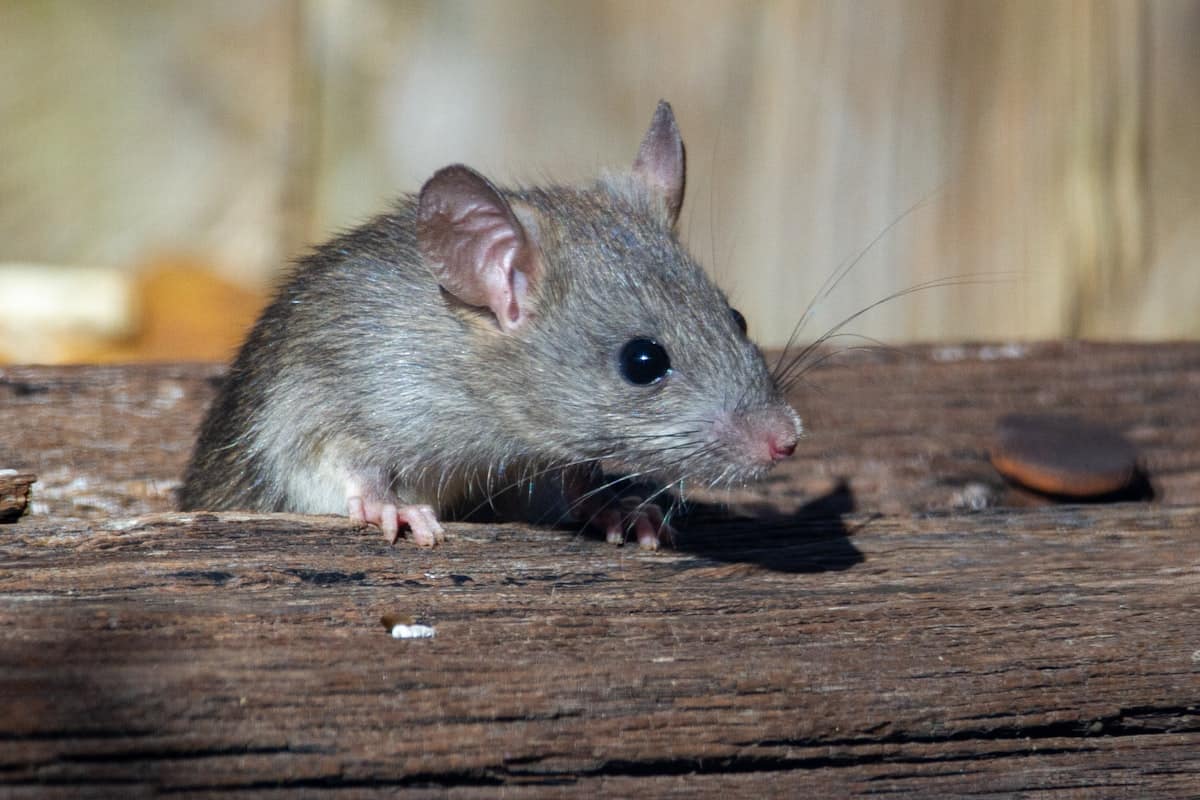
Scratching, droppings or damaged food packaging can indicate rodent activity, but the location and pattern matter. Victoria's Department of Health identifies the house mouse, roof rat and Norway rat as common pest rodents. A technician can assess signs rather than relying on a guess based only on a noise.
Before booking, record where and when you noticed activity. Photograph visible damage or droppings without handling them. Do not enter a roof space, move insulation or disturb wiring to investigate. If you suspect a possum, read our roof noise guide before assuming rodent treatment is appropriate.
What to ask a Melbourne rodent controller
- Which areas will be inspected and what evidence will be used to identify the pest?
- What sanitation or food storage changes will help remove attractants?
- Will the technician identify potential entry points, and are physical repairs included or quoted separately?
- What treatment is proposed, how will pets and children be protected, and what follow-up is included?
Sanitation and exclusion are important parts of rodent management. Food, water and shelter can keep attracting rodents after a treatment visit. The Department of Health also notes that mice can use surprisingly small gaps, so sealing needs to follow careful identification of access points.
Find the right service
For confirmed or suspected rat activity, see rat control. For small rodents indoors, see mice control. If identification is unclear, request a rodent assessment and describe the evidence. Ask for a written scope and final price for your property before work begins.
Further guidance
Victorian Department of Health: rodents covers identification, sanitation, exclusion and treatment precautions.