Bees repeatedly entering a wall gap need a different assessment from an exposed swarm. Learn what to ask about colony access, comb and repairs.
Repeated cavity traffic deserves an assessment
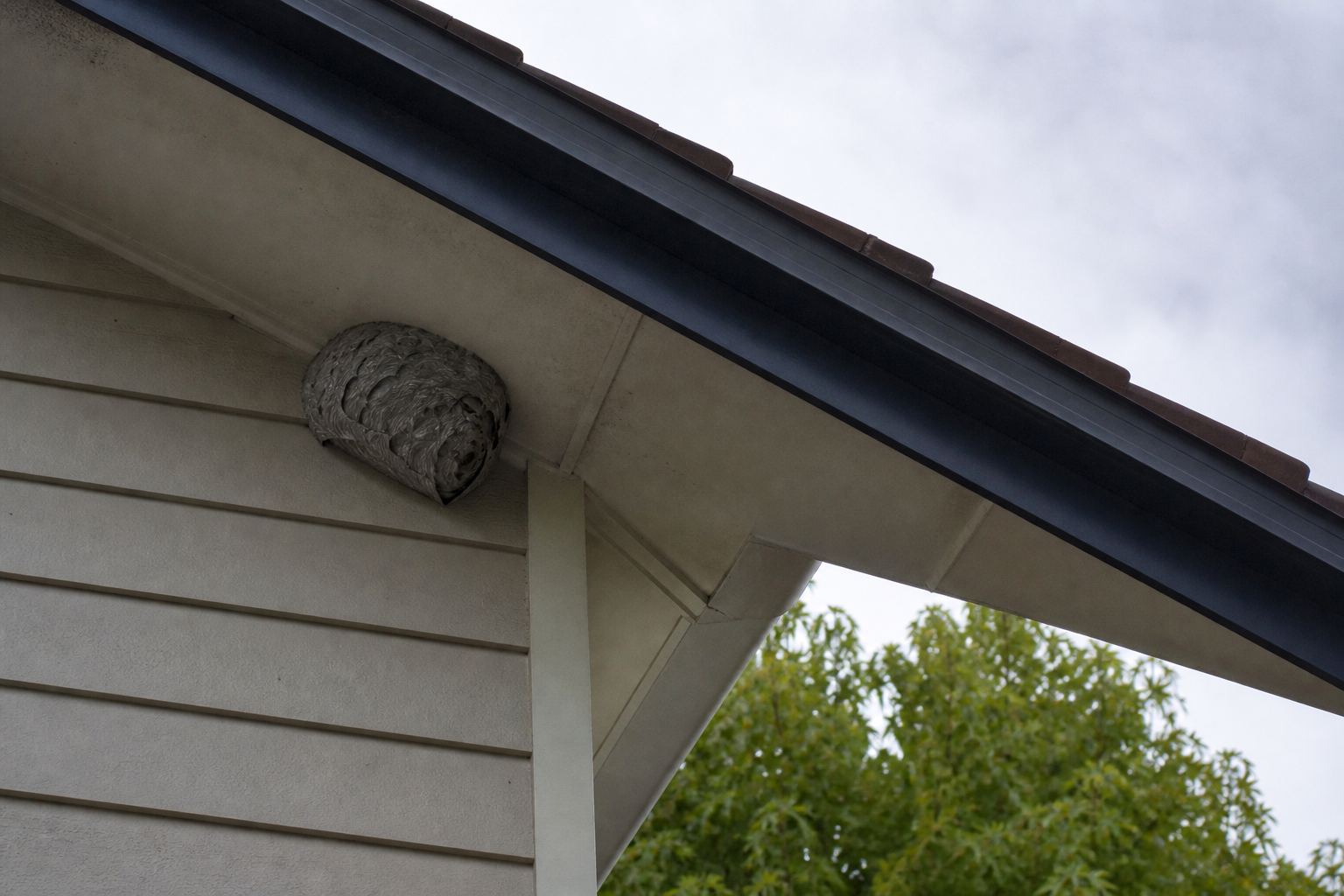
If bees repeatedly enter a small gap beside a window, brick joint or roof edge, report that pattern to a bee specialist. It may indicate a colony inside the structure. A photograph of the entrance does not reveal the full extent of the colony or establish the best way to remove it.
Keep clear and avoid sealing the active entrance. Do not drill exploratory holes, remove cladding or spray into the gap. City of Boroondara guidance recommends reporting swarms early because bees that enter walls and other cavities become harder to remove. For an exposed cluster on a branch, see our spring bee swarm guide.
Ask who will assess the colony and the building
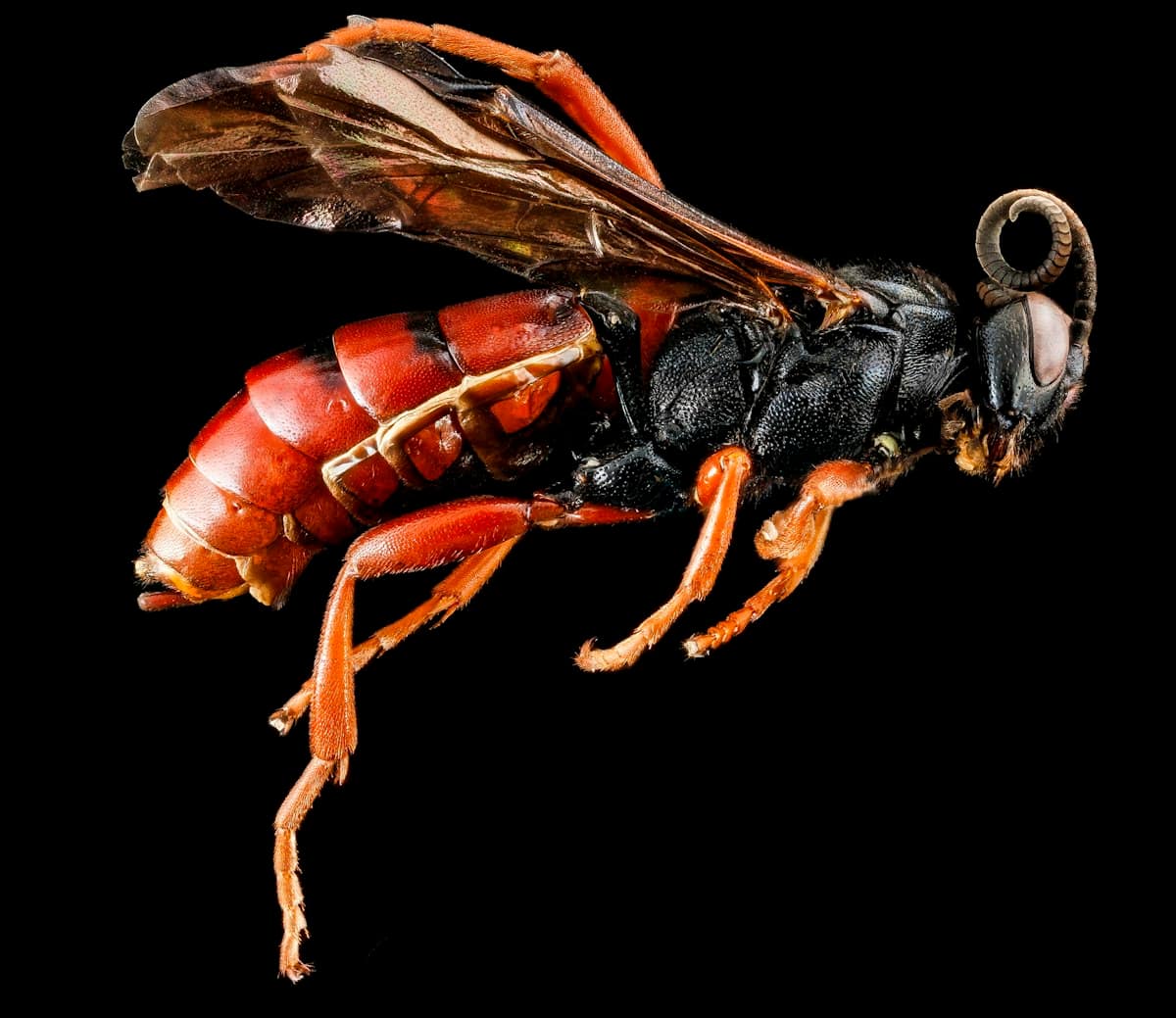
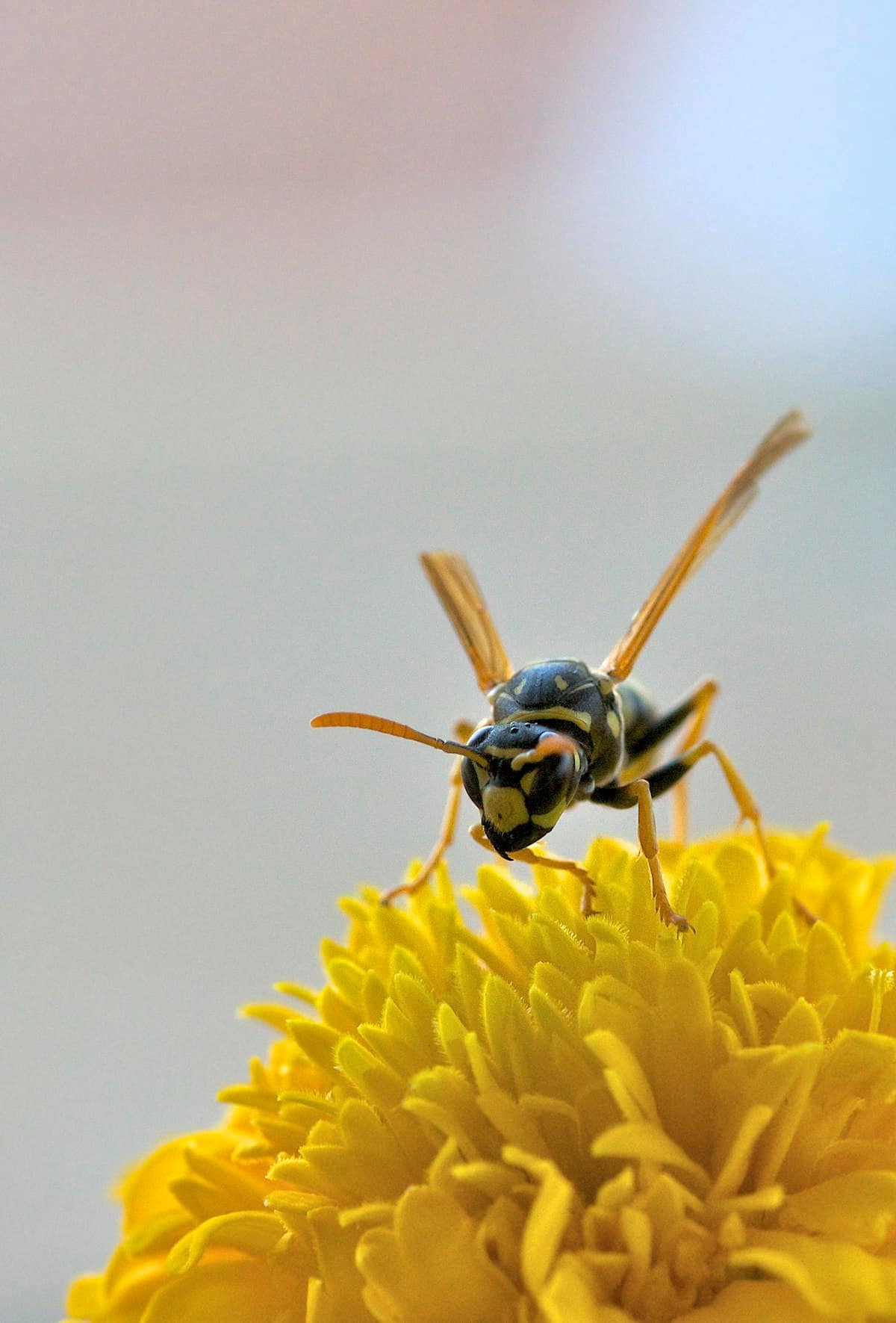
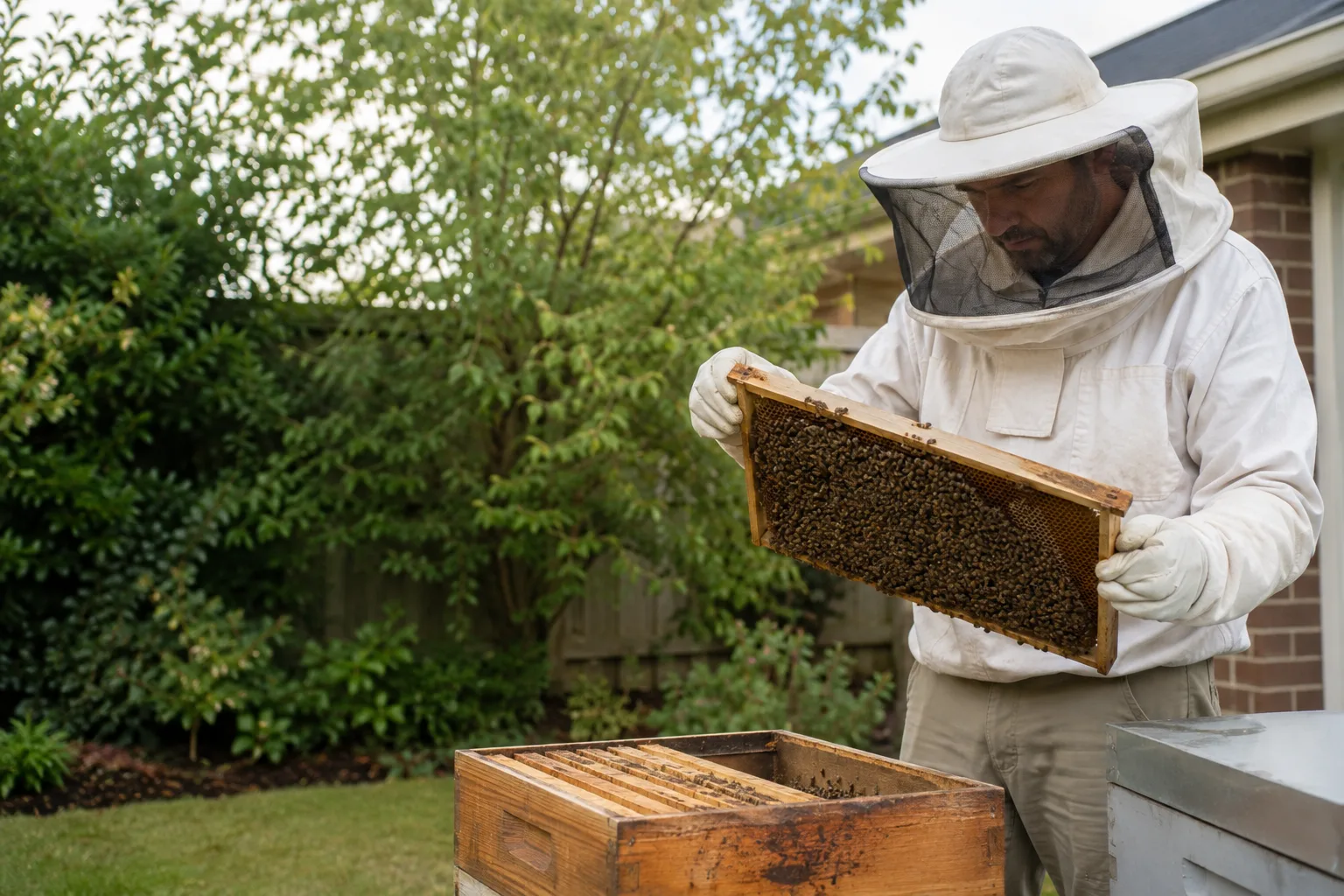
Bee removal in a Melbourne wall cavity can involve both bee handling and building access. Ask the provider who assesses each part and whether a beekeeper or building contractor needs to be involved. The right plan should follow the insect's identification, the location and a practical access assessment.
Give the property type, wall material if known, approximate entrance height and any access restrictions. Tell the provider whether the opening is above a shared path or within an area controlled by an owners corporation. Do not assume a quote for bee handling includes permission or work to open a shared structure.
Five scope questions for a cavity bee removal quote
- Identification: how will the insect and colony location be confirmed?
- Removal options: is live collection or relocation practical for this colony?
- Access: will any part of the building need opening, and who arranges it?
- Comb: what assessment and removal of accessible comb are included?
- Repairs: who closes the access area and seals entry points once appropriate?
Ask the operator to explain limitations in writing. Some questions cannot be answered from a phone description. If additional access work may change the cost, establish how you will approve that work before it starts.
Plan household access and aftercare
Mention children, pets, known sting allergies and anyone who regularly uses the affected doorway. Confirm how the area will be managed during the work and how you will be told it can be used again. If the provider proposes pesticide treatment, ask for product-specific preparation and aftercare instructions.
Before the visit ends, ask what was completed, whether anything remained inaccessible, what activity to monitor and who to contact if bees continue using the entrance. Keep the service record with any building repair information. Removal and repair should be coordinated so a temporary opening is not mistaken for a finished job.
Request a Melbourne bee assessment
See bee removal options and request a quote with your suburb and a safe-distance photograph. Our bee removal quote guide explains why a cavity colony and an exposed swarm have different scopes.
Sources
City of Boroondara: bees and wasps; Victorian Department of Health: information for treatment clients.