One pest sighting can close a Melbourne café or fail a health inspection. Here is how commercial pest control protects your business, your reputation, and your licence.
Why Commercial Pest Control Is Different
For a Melbourne business, pests are not just a nuisance - they are a compliance and reputation risk. A single rodent in a restaurant, a cockroach in a hotel room, or a customer photo on social media can do lasting damage. Commercial pest control in Melbourne is about prevention, documentation, and rapid response.
Who Needs It
- Cafés and restaurants - HACCP and food safety compliance
- Offices and warehouses - rodents, cockroaches, and ants
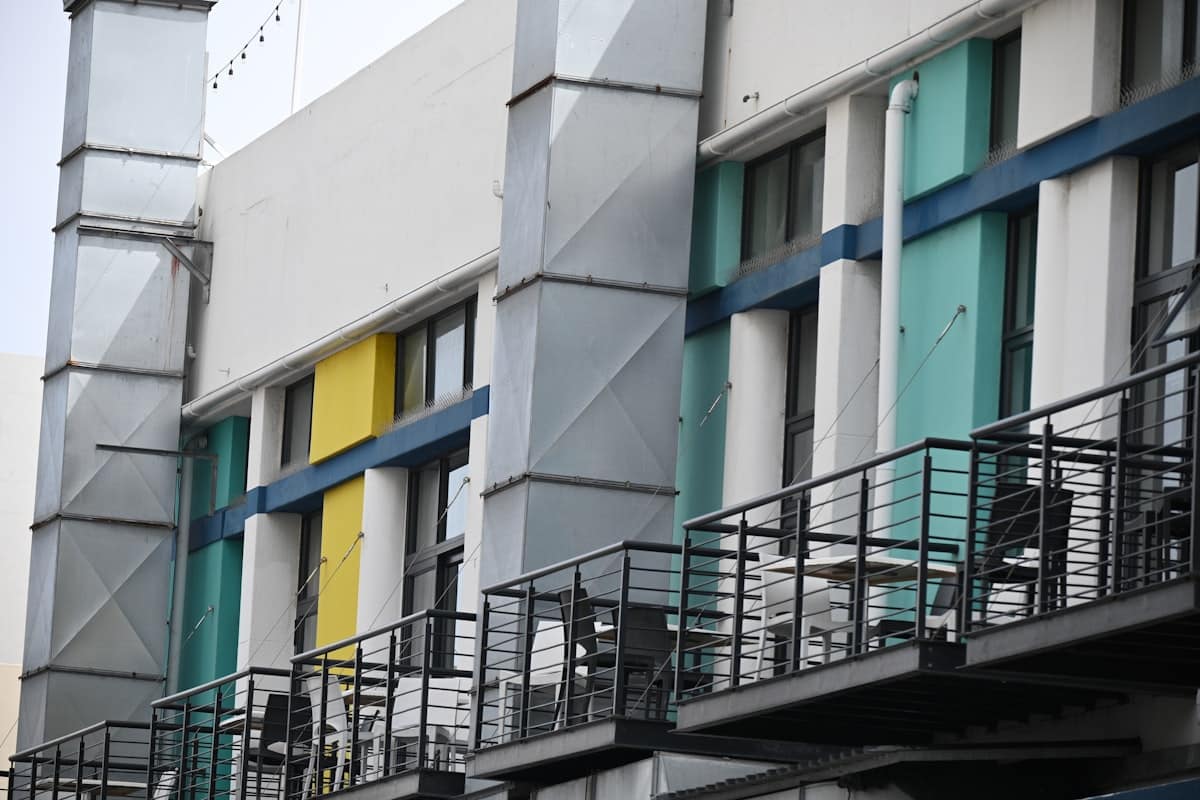
- Body corporates and apartments - shared-area treatment plans
- Retail, aged care, schools, and gyms
What a Commercial Program Includes
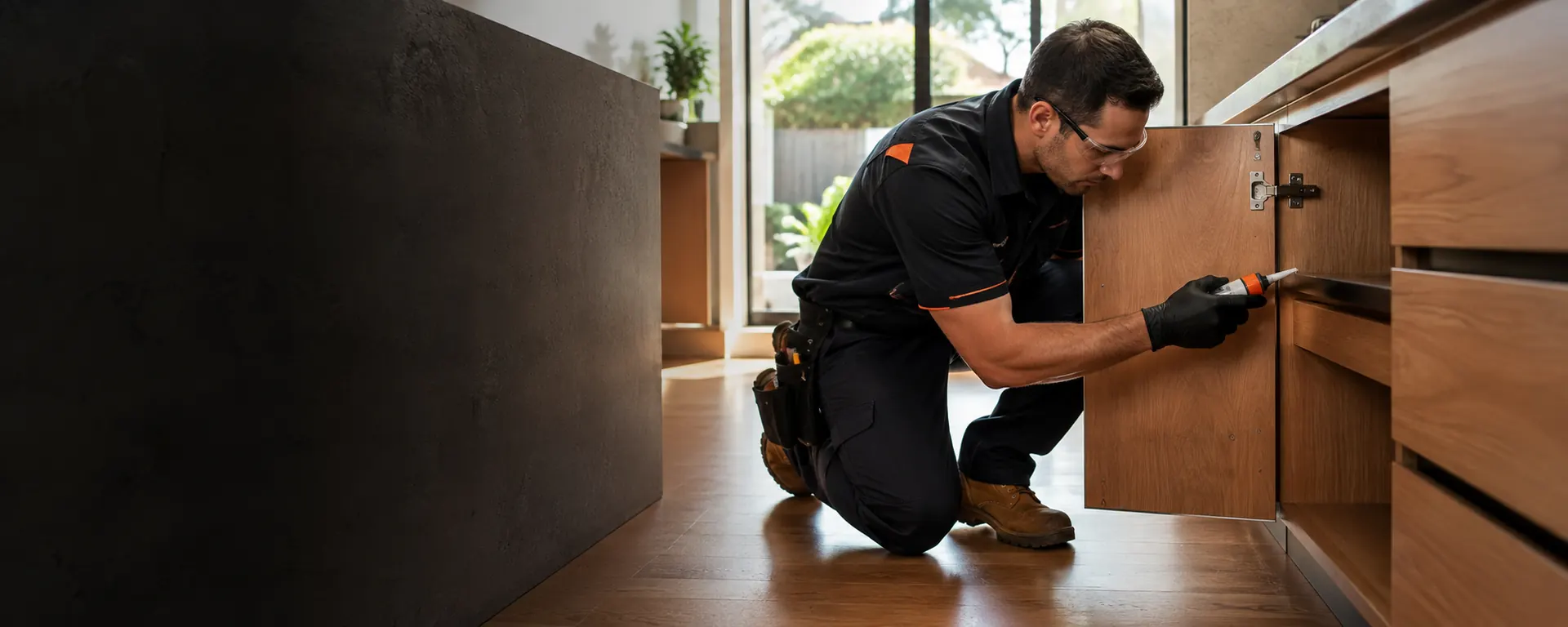
Unlike a one-off home treatment, commercial pest control is an ongoing program: scheduled inspections, bait stations and monitoring, treatment as needed, and full documentation (logbooks, service reports, and floor plans) ready for council and auditors.
HACCP and Health Inspections
Food businesses are required to manage pests as part of their food safety program. We provide the records and pest management plan that health inspectors look for, so you are always audit-ready.
Discreet, After-Hours Service
We work around your trading hours so treatment never disrupts customers - early mornings, after close, or quiet periods.
Protect your reputation and your licence. Pest Eraze provides commercial pest control across Melbourne with HACCP-compliant documentation. Call 0416 528 547 for a tailored quote.
Cost of Commercial Pest Control
Commercial pest control pricing is generally quoted per property based on size, pest pressure, and required visit frequency, since a café kitchen has different needs to a warehouse or office. Most providers offer scheduled programs (monthly or quarterly) rather than one-off visits, since ongoing compliance documentation is usually what health inspectors want to see.
Documentation That Protects Your Licence
Beyond the treatment itself, commercial clients typically receive service reports and compliance documentation after each visit, which can be produced during a health inspection or audit as evidence of an active pest management program - often a requirement for food businesses under Victorian food safety regulations.
What Health Inspectors Look For
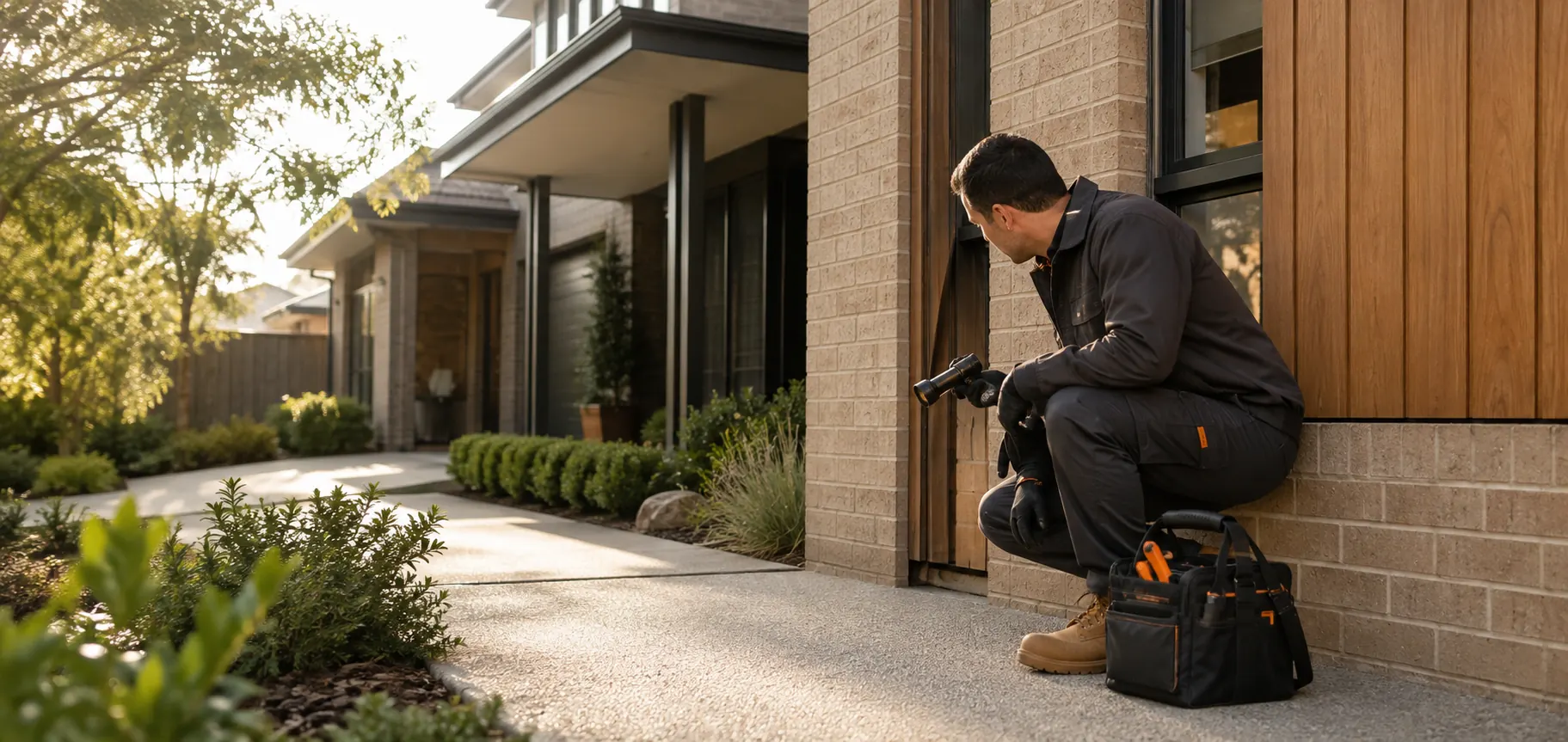
Council Environmental Health Officers inspecting a Melbourne food business check for: evidence of pest activity (droppings, gnaw marks, flies, cockroaches - dead or alive), a documented pest management program with service reports and a pest sighting register, proofing standards (door seals, screened openings, sealed penetrations), and chemical safety documentation. A single live cockroach sighting during an inspection can trigger follow-ups, improvement notices, or worse. The documented program is your first line of defence - it demonstrates due diligence even when an isolated pest appears.
Your Audit-Ready Documentation Checklist
- Pest management plan naming the provider, service frequency, and scope
- Service reports for every visit, with findings and actions
- Site map of bait station and monitor locations
- Pest sighting register your staff actually use
- Safety Data Sheets (SDS) for all products used on site
- Technician licence and insurance certificates
We supply and maintain all of this as standard on commercial programs - audit day becomes a formality.
Industry-Specific Risk Profiles
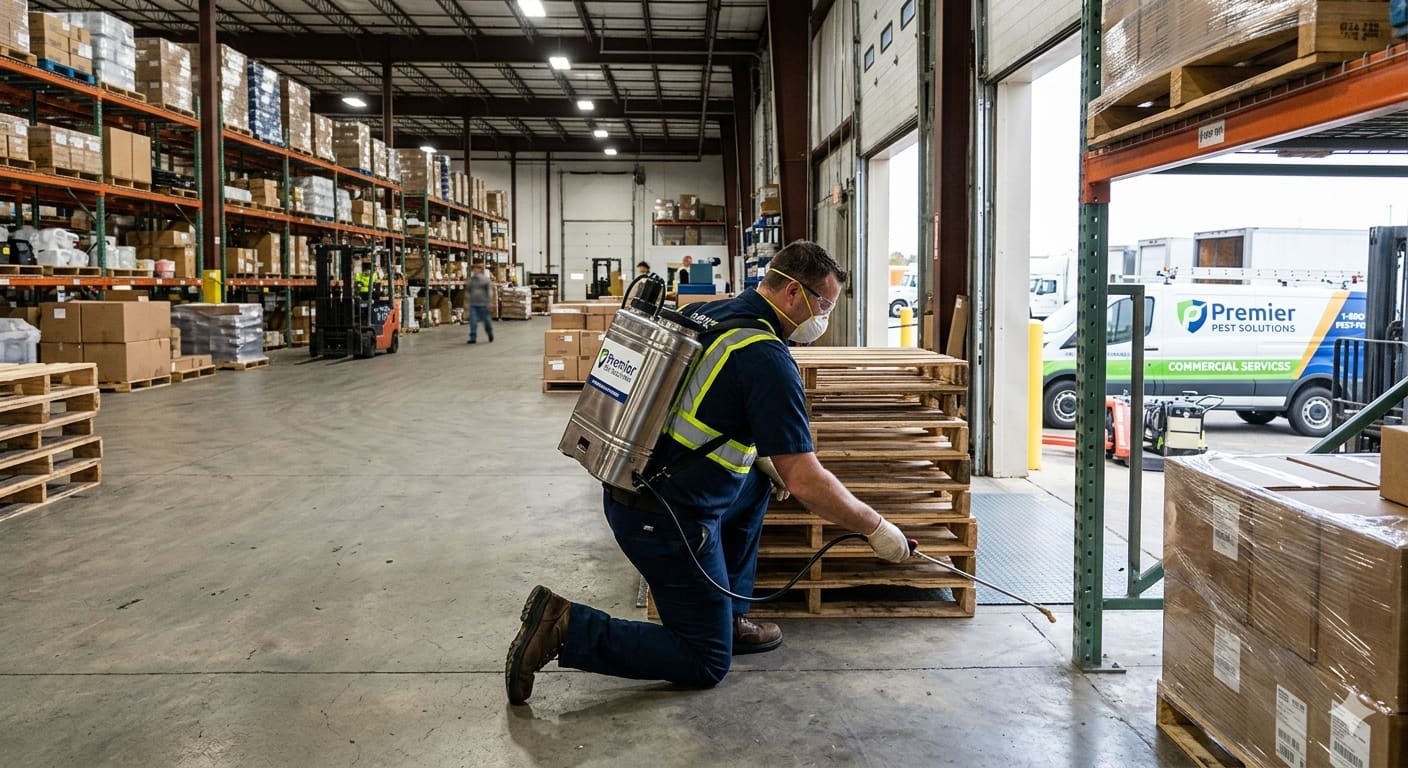
Cafés and restaurants fight German cockroaches and flies around food prep and waste areas. Warehouses and logistics face rodents entering via docks and stock movements. Aged care and childcare need low-toxicity programs with strict scheduling around residents. Offices mostly see ants, cockroaches in kitchenettes, and the occasional rodent. Each profile needs a different mix of monitoring, treatment, and proofing - which is why cookie-cutter monthly spraying underperforms a tailored commercial program.