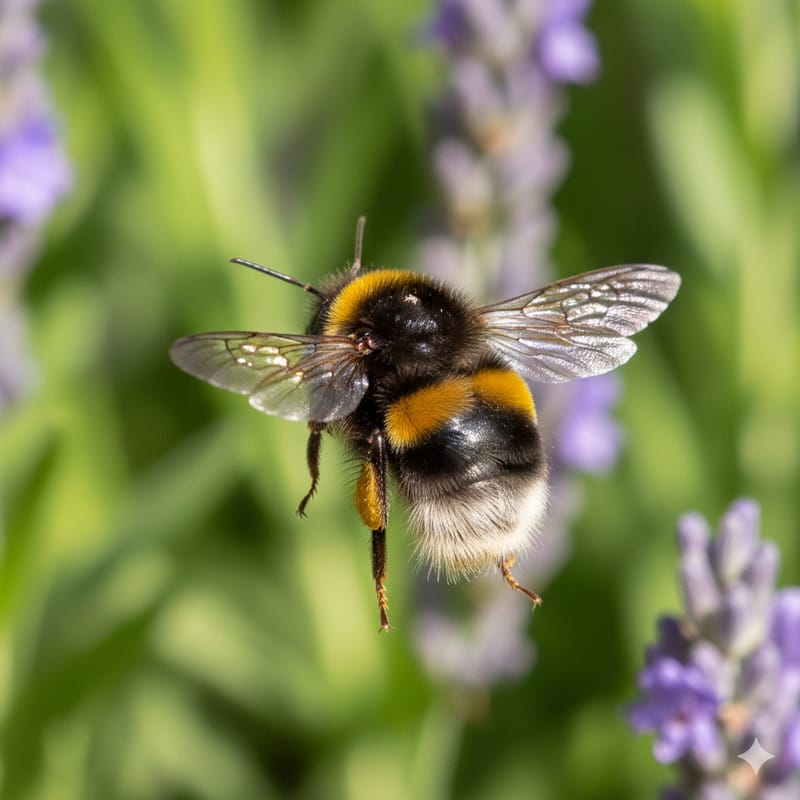
Bees visiting pool water may not have a nest on site. Ask about identification and managing access before booking colony removal.
Need help with this pest problem? Request a free onsite quote from Pest Eraze or call 0416 528 547. Tell us your suburb and the signs you have noticed.
The practical answer
Water visits alone do not establish that a bee colony is on your property. Keep swimmers away from concentrated activity and describe the pattern to a provider. Do not spray pool water or surrounding flowers to discourage bees.
Foraging activity needs realistic expectations
Explain whether bees land on the water briefly, collect near a leaking fitting or repeatedly enter a nearby structure. Those are different observations. A removal service can assess a confirmed colony, but cannot promise that all visiting pollinators will stop using an outdoor water source.
What to do before the visit
- Avoid approaching clusters to inspect individual insects.
- Note any continuing building-entry route seen from a safe position.
- Tell the provider about the pool equipment and access restrictions.
Questions that define the work
- Is there evidence of a colony on site?
- Would identification and management advice be more appropriate?
- What maintenance changes should the pool specialist consider?
What happens next?
Review the situation if a settled cluster or fixed entry point appears. Keep pool maintenance decisions with the appropriate specialist. Do not treat normal seasonal foraging as proof that a removal provider has failed to locate a nest.
Ask Pest Eraze about your property
For Bee Removal in Melbourne, tell Pest Eraze your suburb, the affected area and what you have noticed. Ask for a free onsite quote and confirmation of the work included. Appointment timing depends on availability, access and the assessment.
Request a bee removal quote or call Pest Eraze on 0416 528 547.
For background, read our bee removal guide. Check your location on our Melbourne service areas page.
Further reading
Agriculture Victoria: honey bees and swarm collection and Victorian Department of Health: identifying bees and wasps and choosing appropriate help. These references provide general background; ask your provider for advice about your property.