Cockroaches, ants, and bed bugs spread fast in apartments. Here is why Melbourne units are pest-prone and what renters, owners, and bodies corporate can do.
Apartment Living Has a Pest Problem
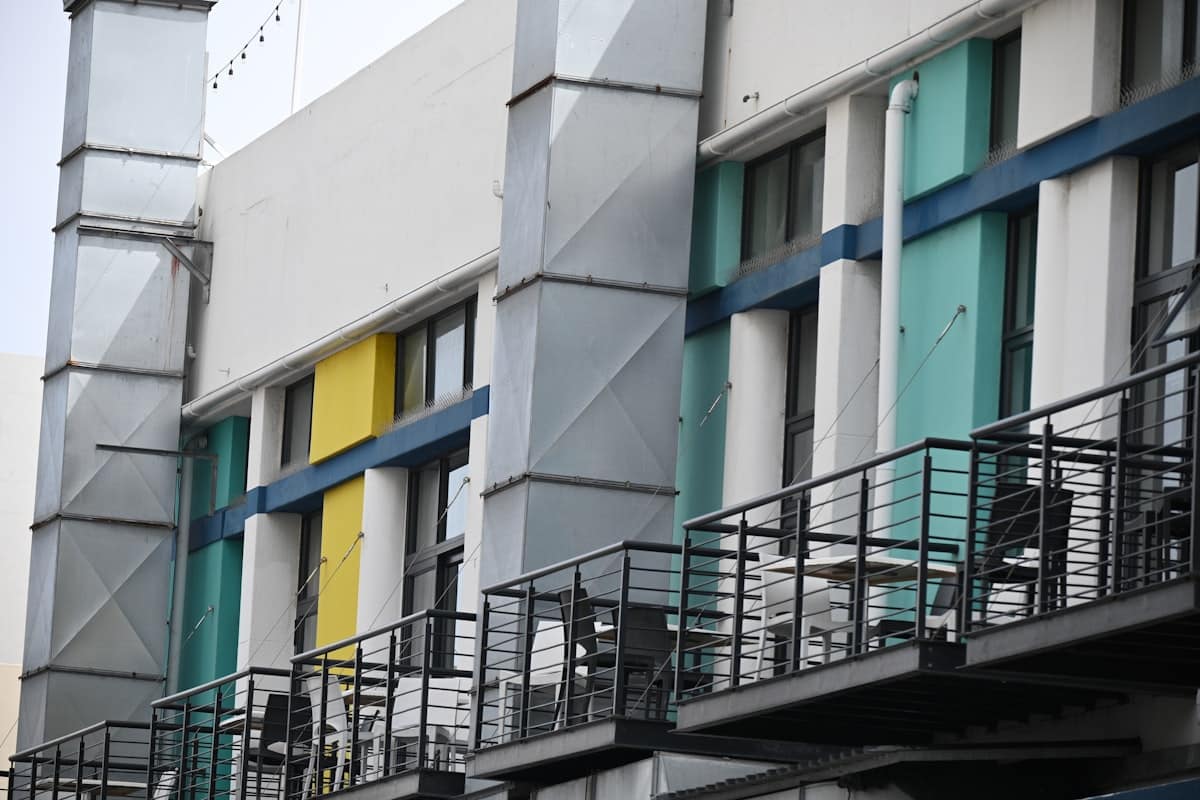
Melbourne's apartment boom means more people than ever live in shared buildings - and pests love them. Cockroaches, ants, rodents, and bed bugs spread easily between units through shared walls, plumbing, and waste systems. Even a spotless apartment can get pests from a neighbour.
Why Apartments Are Pest-Prone
- Shared walls and voids let pests travel between units
- Common plumbing and waste chutes are highways for cockroaches and rodents
- Underground car parks and bin rooms harbour rats and roaches
- High turnover - short stays and moving furniture spread bed bugs
What Residents Can Do
- Seal gaps around pipes, skirting, and where utilities enter the unit
- Keep the kitchen clean and store food in airtight containers
- Report shared-area pest issues to the body corporate or building manager early
- Inspect second-hand furniture for bed bugs before bringing it in
Why Building-Wide Treatment Works Best
Treating a single unit while pests live in the walls and shared areas rarely solves the problem for long. The most effective approach is a coordinated treatment of the affected units and common areas - which is where bodies corporate and building managers come in. We provide documented programs for apartment buildings across Melbourne.
Renting, owning, or managing an apartment with a pest problem? Pest Eraze can help. Call 0416 528 547.
Cost of Apartment and Building-Wide Treatment
Single-unit general pest treatments start from around $129 while building-wide programs for bodies corporate are quoted based on the number of units and common areas involved. Coordinated treatment across affected units and shared spaces is almost always more cost-effective long-term than repeated single-unit treatments that get reinfested from a neighbouring unit.
What to Do If Your Body Corporate Won't Act
If shared-area pest issues are reported but nothing happens, documenting sightings with photos and dates strengthens your case when raising it formally at a body corporate meeting or through the owners corporation manager. In persistent cases, a professional inspection report identifying the source in common areas can be the evidence needed to get building-wide action approved.