Melbourne kitchens are a magnet for cockroaches — especially German cockroaches. Learn exactly why they keep coming back and the proven steps to eliminate them permanently.
Why Melbourne Kitchens Are a Cockroach Hotspot
Melbourne's mild, humid climate makes it one of Australia's worst cities for cockroach infestations. Your kitchen offers everything a cockroach needs: warmth, moisture, and easy access to food. German cockroaches — the small, light-brown species most common indoors — can go from a handful to thousands in just a few months because they breed entirely indoors.
If you've spotted even one cockroach scurrying across your benchtop at night, there are almost certainly more hiding behind your fridge, inside your dishwasher motor, or underneath your microwave. Understanding their habits is the first step to getting rid of them.
German Cockroaches vs Australian Cockroaches: Know the Difference
Melbourne homes deal with two main species, and the treatment approach differs significantly:
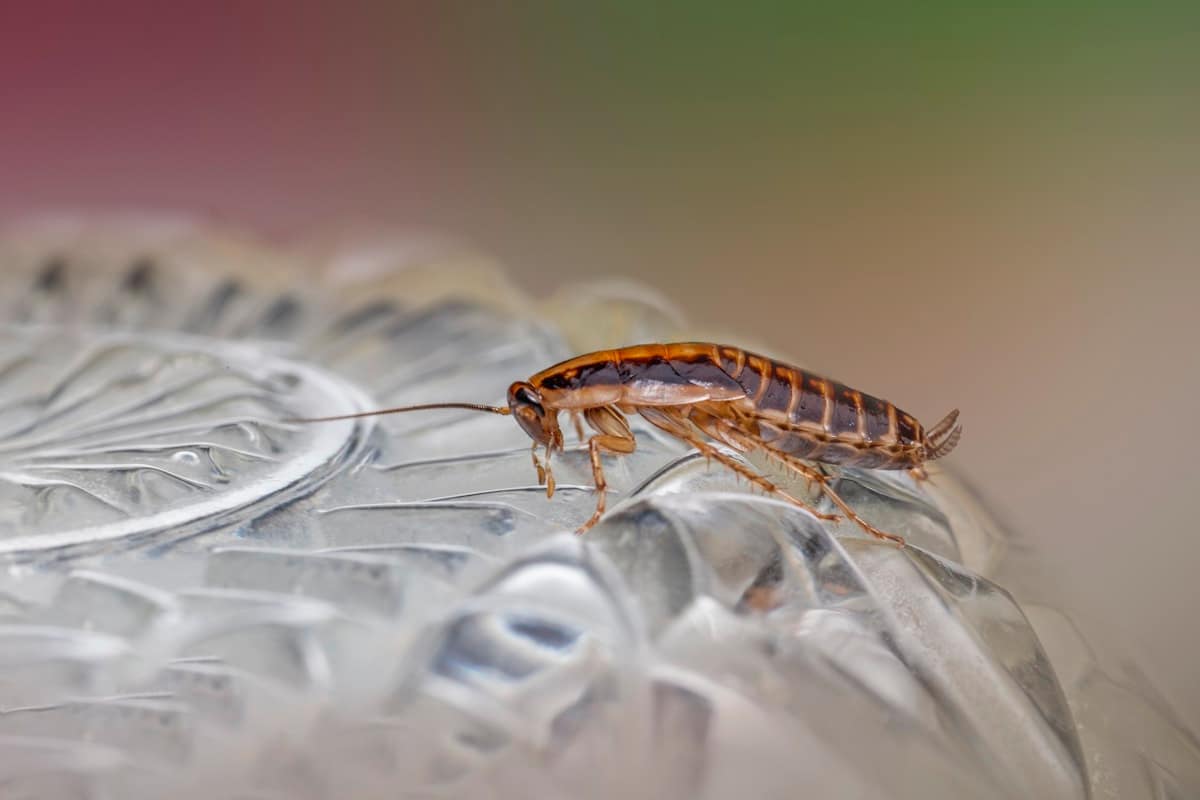
- German cockroaches (Blattella germanica) — Small (12-15mm), light brown with two dark stripes behind the head. Live exclusively indoors, primarily in kitchens and bathrooms. Breed rapidly — a single female produces 30-40 eggs every 6 weeks.
- Australian cockroaches (Periplaneta australasiae) — Large (30-35mm), dark brown with yellow markings on the thorax. Primarily outdoor dwellers that wander inside seeking warmth or food, especially in autumn and winter.
German cockroaches are far harder to eliminate because they live inside your home permanently. A surface spray alone won't solve a German cockroach infestation — you need targeted gel baiting in harbourage areas.
The 7 Places Cockroaches Hide in Your Kitchen
Professional pest controllers know exactly where to look. These are the harbourage zones we check during every kitchen cockroach treatment:
- Behind and underneath the fridge — The warm motor is their favourite nesting spot
- Inside the dishwasher door mechanism — Warm, moist, and rarely disturbed
- Under the microwave and toaster — Crumbs accumulate and warmth attracts them
- Inside kitchen cabinetry hinges — Tiny crevices are perfect for egg cases (oothecae)
- Around plumbing under the sink — Gaps where pipes enter walls provide access and moisture
- Behind splashback tiles — Any gap or crack becomes a highway
- Inside the range hood and oven clock — Electronics generate warmth they're drawn to
DIY Prevention: What Actually Works
Before calling a professional, these steps genuinely reduce cockroach pressure in your kitchen:
- Eliminate water sources — Fix dripping taps, dry the sink before bed, and empty pet water bowls overnight. Cockroaches can survive weeks without food but only days without water.
- Store food in sealed containers — Transfer cereals, flour, rice, and pet food into airtight glass or plastic containers. Cockroaches can chew through paper and thin plastic.
- Clean under appliances monthly — Pull out the fridge, toaster, and microwave. Remove crumb buildup that feeds colonies.
- Seal entry points — Use silicone caulk to seal gaps around pipes under the sink, behind the dishwasher, and where the rangehood duct exits the wall.
- Take rubbish out nightly — Don't leave kitchen bins overnight, especially in summer. Use bins with tight-fitting lids.
- Run the dishwasher before bed — Dirty dishes left overnight are an open invitation.
Why Supermarket Sprays Don't Work on German Cockroaches
If you've tried surface sprays from Bunnings or Coles and the cockroaches keep coming back, you're not alone. Here's why retail products fail against German cockroach infestations:
- Surface sprays are repellent — They push cockroaches deeper into walls and crevices rather than killing the colony
- They don't reach harbourage areas — Spraying your benchtop doesn't affect cockroaches nesting inside your dishwasher motor
- No residual effect in crevices — Professional gel baits are placed directly into harbourage zones where cockroaches feed and share the bait with the colony
- Resistance buildup — German cockroaches develop resistance to pyrethroids (the active ingredient in most retail sprays) within generations
Professional Cockroach Treatment: What We Do Differently
At Pest Eraze, our cockroach treatment for Melbourne kitchens uses a targeted gel baiting program combined with residual sprays:
- Gel bait application — We apply professional-grade cockroach gel bait (containing fipronil or indoxacarb) into every harbourage zone. Cockroaches eat the bait, return to the colony, and the active ingredient spreads through contact and droppings.
- Residual barrier spray — Applied to external entry points, under sinks, and along skirting boards to prevent reinfestation from outside
- Insect Growth Regulator (IGR) — Breaks the breeding cycle by preventing nymphs from maturing into breeding adults
- Follow-up inspection — For heavy infestations, we return within 2-4 weeks to reapply gel bait and assess colony reduction
Most kitchen cockroach problems are resolved within 2-3 weeks of professional treatment. Severe German cockroach infestations may require a second visit.
How Much Does Kitchen Cockroach Treatment Cost in Melbourne?
| Treatment Type | Price (from) |
|---|---|
| Standard cockroach treatment (apartment/unit) | $149 |
| Full house cockroach treatment | $179 |
| German cockroach gel baiting program | $199 |
| Commercial kitchen treatment | $249 |
All treatments include a 6-month warranty. If cockroaches return within the warranty period, we re-treat at no charge.
Book a Cockroach Treatment Today
Don't wait for a small problem to become a serious infestation. Call Pest Eraze on 0416 528 547 or book online for same-day cockroach treatment across all Melbourne suburbs. New customers receive 25% off their first treatment.
For stubborn kitchen infestations, our professional cockroach control combines gel baits, growth regulators, and a residual barrier to break the breeding cycle for good.